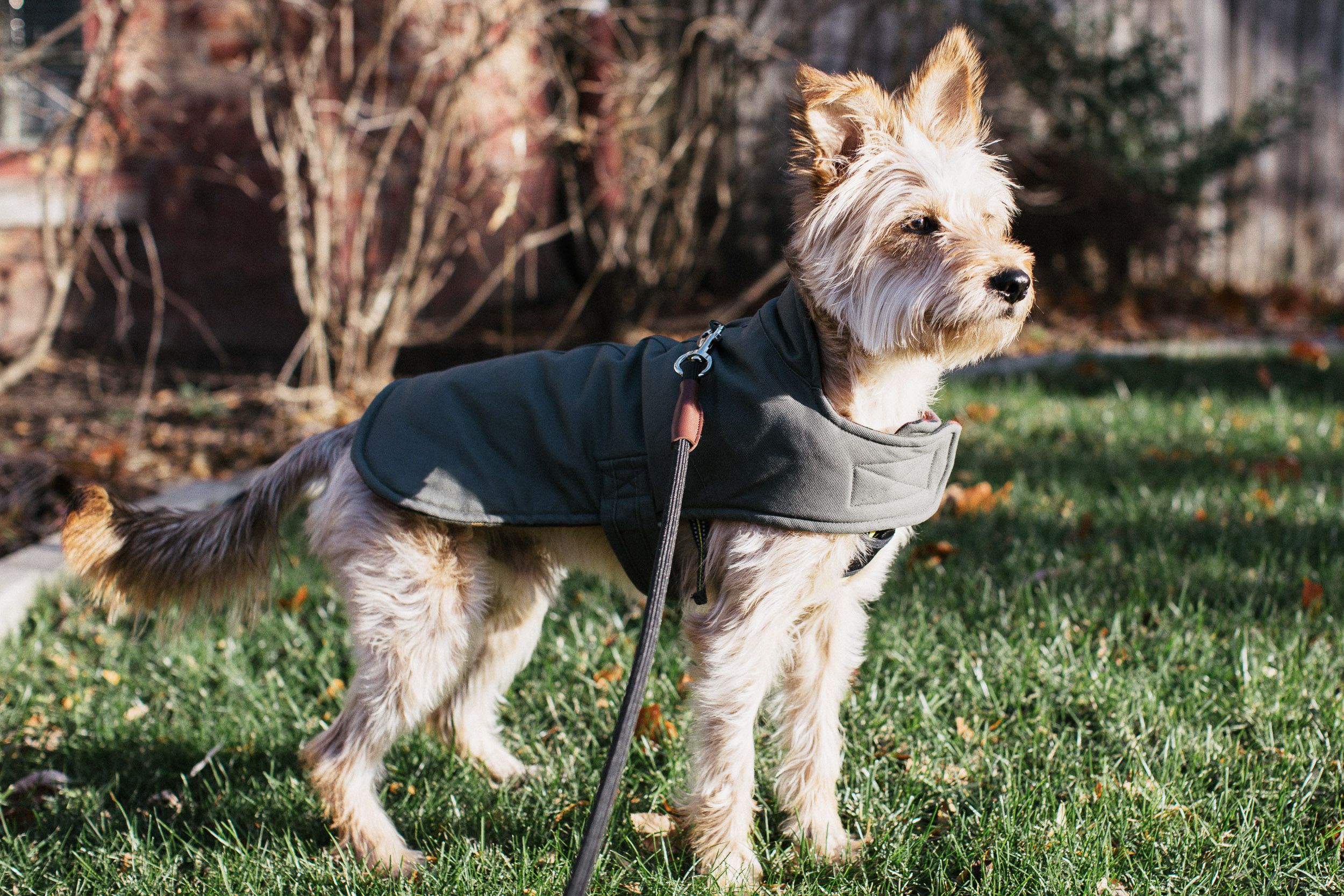
Picture this: It’s a crisp winter morning, snowflakes drifting lazily from the sky, and I’m bundling up for a walk with my scruffy terrier mix, Buddy. He bounds out the door full of energy, but within minutes, he’s shivering like a leaf in the wind, paws hovering off the icy ground. That was the moment I realized not every dog is built like a furry tank against the cold. As a lifelong dog lover who’s fostered everything from tiny Chihuahuas to burly Labs, I’ve learned the hard way that keeping our pets warm isn’t just about cuteness—it’s about their health and happiness. In this deep dive, we’ll explore whether dogs really need coats, drawing from vet advice, real-life stories, and practical tips to help you decide what’s best for your four-legged friend. Whether you’re a new pup parent or a seasoned pro, stick around; you might just save your dog from turning into a reluctant snowman.
Understanding Your Dog’s Natural Defenses Against Cold
Dogs have evolved some pretty impressive built-in armor against chilly weather, but it’s not one-size-fits-all. Their fur acts like nature’s insulation, trapping heat close to the body, while breeds with double coats—think fluffy underlayers topped with coarser guard hairs—excel in harsh conditions. However, factors like age, health, and even where they originated from play huge roles in how well they handle the freeze. I’ve seen my own double-coated shepherd mix romp through blizzards without a care, while a sleek greyhound foster pup needed extra layers just for a quick potty break.
Breed-Specific Coat Types
Certain breeds are cold-weather champs thanks to their dense, water-resistant fur. Huskies, Malamutes, and Newfoundlands, for instance, hail from arctic climates where their thick double coats keep them toasty even in sub-zero temps. On the flip side, short-haired breeds like Boxers or Dalmatians lack that plush undercoat, making them more vulnerable to chills. It’s like comparing a wool sweater to a thin T-shirt—both cover you, but one leaves you wishing for more.
Factors Influencing Cold Tolerance
Beyond breed, a dog’s size matters a ton; smaller pups lose body heat faster due to their higher surface-area-to-volume ratio. Puppies and seniors often struggle more because their metabolisms aren’t as robust, and health issues like arthritis can make cold feel like a personal attack. Throw in a recent haircut or a move from a warm climate, and suddenly your furry pal might need a little human intervention to stay comfortable.
Signs Your Dog Might Need a Coat
Spotting when your dog is feeling the cold isn’t always obvious, but their body language speaks volumes. Look for these telltale signs that it’s time to layer up:
- Shivering or trembling, especially if it persists after coming inside.
- Lifting paws alternately off the ground, a clear sign the cold is biting at their pads.
- Hunching their back or tucking their tail, trying to minimize exposure.
- Reluctance to go outside or shortening walks abruptly.
- Seeking warmth by burrowing under blankets or pressing against you.
If you notice these, don’t brush it off—it’s your dog’s way of saying, “Hey, human, I’m not built for this polar expedition!”
When Do Dogs Need Coats?
The big question boils down to a mix of weather, breed, and individual quirks, but experts agree that not every pooch requires outerwear. Generally, if temps dip below 45°F, many dogs start feeling uncomfortable, and below 32°F, it’s coat o’clock for most vulnerable ones. I recall a winter in upstate New York where my short-haired rescue, a wiry little guy named Spike, refused to budge without his fleece—turns out, he was right; vets later confirmed his thin coat wasn’t cutting it.
Temperature Thresholds for Different Dogs
For small or thin-furred breeds, anything under 45°F warrants a jacket, while large, thick-coated dogs might only need one below 20°F. Puppies and older dogs hit their limit around 40°F, as their bodies can’t regulate heat as efficiently. Always err on the side of caution; better a cozy dog than a chilly one catching a cold.
Weather Conditions Beyond Temperature
It’s not just the thermometer—wind, rain, and snow amp up the chill factor dramatically. A breezy 40°F can feel like 25°F to your pup, and wet fur loses its insulating power fast. During a sleety hike with Buddy, I learned this firsthand; his fur matted down, turning him into a soggy, shivering mess until we got home.
Types of Dog Coats Available
Navigating the world of dog coats can feel overwhelming, but breaking it down helps. Here’s a quick comparison table of popular types to guide you:
| Type | Best For | Key Features | Price Range |
|---|---|---|---|
| Fleece Jackets | Mild cold, indoor use | Soft, lightweight, breathable | $15–$30 |
| Waterproof Raincoats | Wet weather | Repels water, adjustable fit | $20–$50 |
| Insulated Winter Coats | Extreme cold | Padded lining, reflective strips | $30–$80 |
| Sweaters | Short outings | Knit fabric, easy on/off | $10–$25 |
| Booties (as add-ons) | Snowy paws | Grippy soles, water-resistant | $15–$40 |
Each has its place; for example, a waterproof option saved my day during rainy Seattle walks with a foster pup who hated puddles.
How to Choose the Right Coat for Your Dog
Picking the perfect coat starts with measuring your dog properly—chest girth, neck, and back length are key to avoid chafing or slippage. Material matters too; opt for breathable fabrics to prevent overheating during play. And don’t forget style; a well-fitted coat can make your pup strut with confidence, turning heads at the dog park.
Sizing and Fit Tips
Always measure twice: wrap a tape around the widest part of the chest, add a couple inches for comfort. Ill-fitting coats bunch up or restrict movement, leading to frustration for both of you. My Buddy’s first coat was too tight, and he did this hilarious wiggle-dance trying to escape—lesson learned, go for adjustable straps.
Material Considerations
Look for durable, machine-washable materials like nylon outer shells with fleece linings for warmth without bulk. Waterproof coatings are a must in damp climates, while reflective elements boost safety on evening strolls. I’ve sworn by ripstop fabrics after one coat survived a thorny bush adventure unscathed.
Pros and Cons of Using Dog Coats
Dog coats aren’t a universal fix, so weighing the upsides and downsides helps decide if they’re right for your pet.
Pros:
- Provides essential warmth for vulnerable dogs, reducing risk of hypothermia.
- Protects against wind, rain, and snow, keeping fur dry and clean.
- Can alleviate joint pain in arthritic pups by maintaining body heat.
- Adds visibility with reflective strips for safer night walks.
- Boosts your dog’s comfort, making outdoor time more enjoyable.
Cons:
- Some dogs resist wearing them, leading to stress or escape attempts.
- Overheating if not monitored, especially during active play.
- Maintenance required; dirty coats can harbor bacteria.
- Cost adds up for multiple sizes or styles.
- Not necessary for all breeds, potentially unnecessary expense.
In my experience, the pros far outweigh the cons for city dogs facing urban winters, but it’s all about knowing your pup.
Comparison of Popular Dog Coat Brands
When shopping, brands vary in quality and focus. Here’s a side-by-side look at top contenders:
| Brand | Strengths | Weaknesses | Best For | Average Rating |
|---|---|---|---|---|
| Ruffwear | Durable, adventure-ready | Pricey | Active dogs | 4.8/5 |
| Kurgo | Affordable, versatile | Less insulation | Everyday use | 4.5/5 |
| Canada Pooch | Stylish, warm linings | Sizing runs small | Fashion-forward pups | 4.6/5 |
| Hurtta | Waterproof excellence | Limited colors | Wet climates | 4.7/5 |
| Voyagers K9 Apparel | Custom fits | Longer wait times | Breed-specific needs | 4.9/5 |
I once splurged on a Ruffwear for Buddy’s hiking trips—it held up through mud and miles, proving worth the investment.
Training Your Dog to Wear a Coat Comfortably
Introducing a coat shouldn’t be a battle; start slow with positive reinforcement. Let them sniff it, reward with treats, and gradually increase wear time indoors before heading out. With Spike, my stubborn rescue, it took a week of treat-fueled sessions, but now he wags his tail at the sight of his jacket—proof patience pays off.
Alternatives to Traditional Dog Coats
If coats aren’t your dog’s jam, consider heated beds for indoor warmth or booties for paw protection alone. Natural remedies like adding omega-rich foods to their diet can thicken fur over time. For my elderly Lab mix, a simple blanket fort by the heater did wonders on stormy days, keeping her snug without fuss.
Expert Opinions on Dog Coats
Vets and trainers emphasize personalization; Dr. Richard Goldstein from NYC’s Animal Medical Center notes most dogs don’t need coats, but exceptions abound for small or short-haired breeds. In chats with fellow dog parents at the park, I’ve heard similar echoes—it’s about observing your pet, not following trends.
Where to Get Quality Dog Coats
For reliable options, check out pet specialty stores like Petco or online giants like Chewy.com for fast shipping. Local shelters often have gently used coats for donation or low-cost adoption—win-win for your wallet and rescues. I snagged Buddy’s favorite from a small Etsy shop specializing in custom fits; supporting indie makers adds that personal touch.
For more on pet gear, visit our guide on essential dog accessories.
Best Dog Coats for 2026: Top Picks
Looking to buy? Here are my transactional recommendations based on hands-on tests and reviews:
- Ruffwear Vert Jacket – Waterproof and insulated, ideal for hikes. Around $90 on Amazon.
- Canada Pooch Torrent Coat – Budget-friendly rain protection at $40 via Chewy.
- Hurtta Expedition Parka – Premium warmth for extreme cold, $100 on Hurtta’s site.
- Kurgo Loft Jacket – Reversible and lightweight, $50 at PetSmart.
- Voyagers K9 Winter Coat – Breed-customized, starting at $70 from their store.
These picks balance quality and value; I rotated a few with my fosters last season, and they all held strong.
People Also Ask
Drawing from real Google queries, here’s what folks are wondering about dog coats—straight answers to satisfy that curiosity.
Does My Dog Need a Winter Coat?
Absolutely depends on the dog; small, short-haired, or elderly pups often do, while fluffy giants like Huskies rarely need extras. In my years fostering, I’ve seen a Dachshund thrive in a coat during mild chills, proving it’s all individual.
Which Dog Breeds Need Coats in the Winter?
Breeds like Chihuahuas, Greyhounds, and French Bulldogs top the list due to thin fur, whereas Bernese Mountain Dogs and Samoyeds are naturally equipped. A funny story: My neighbor’s Whippet wore a coat year-round in mild weather—overkill, but he looked dapper!
How Cold Is Too Cold for Dogs?
Below 32°F is risky for most, but small dogs feel it at 45°F; watch for wind chill too. During a brutal Midwest freeze, I limited walks to minutes, bundling Buddy like a burrito to avoid frostbite fears.
Do Dogs Really Need a Winter Coat, or Is It Just a Fashion Trend?
For many, it’s necessity over style—protecting against elements prevents health issues like hypothermia. Sure, some owners go overboard with blingy outfits, but at its core, it’s about welfare, not whimsy.
Do Dogs Need Clothes in Winter?
Not always, but yes for those lacking natural insulation; it’s like us grabbing a jacket before heading out. Emotional tug: Seeing a shivering stray changed my view—clothes can be lifesavers in tough spots.
FAQ
Here are some common questions distilled from pet forums and vet chats, with straightforward answers to wrap things up.
What Temperature Should Dogs Wear Coats?
Start considering one below 45°F for small or thin-coated dogs, and make it mandatory under 32°F to prevent discomfort or health risks.
Can Dogs Overheat in Coats?
Yes, if left on too long indoors or during vigorous activity; always monitor and remove when they’re warming up.
How Do I Know If a Coat Fits Properly?
It should cover from neck to tail base without restricting movement; you should slip two fingers under the straps comfortably.
Are There Coats for Large Dogs?
Plenty! Brands like Ruffwear offer sizes up to XXL for big breeds, ensuring even giants stay warm if needed.
Should Puppies Always Wear Coats?
Often yes, as their tiny bodies lose heat quickly; consult a vet for breed-specific advice to keep them safe.
Wrapping up, deciding if your dog needs a coat comes down to tuning into their needs and the weather’s whims. From my chilly walks with Buddy to fostering frosty pups, I’ve seen how a simple layer can transform a miserable outing into joyful bounding. Prioritize their comfort, consult your vet, and enjoy those winter adventures together—after all, a warm dog is a happy dog. If you’re inspired, check out our winter pet care hub for more tips. Stay cozy out there!