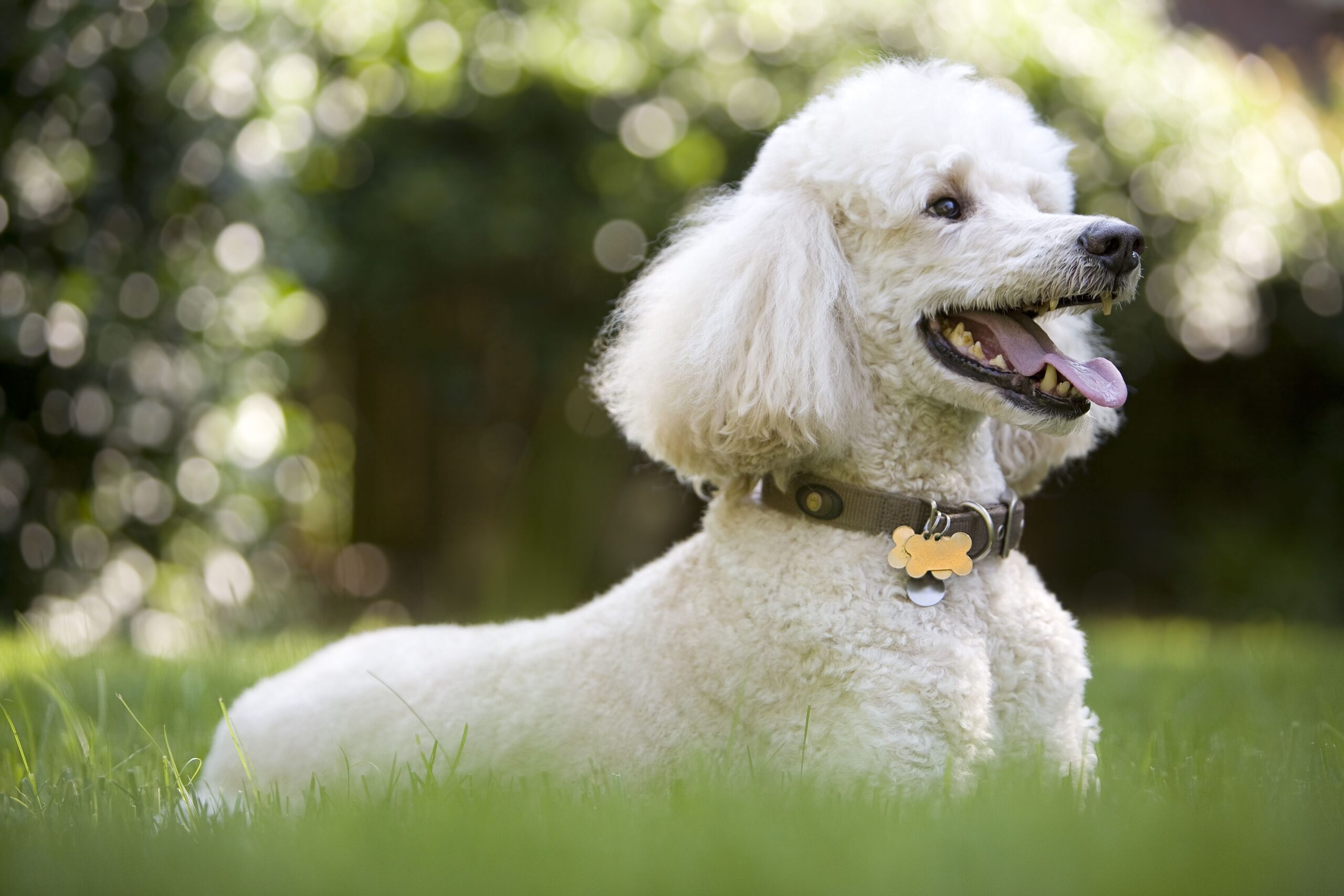
Oh, where do I even start with miniature poodles? These little bundles of curls and energy have stolen my heart ever since I adopted my first one, a cheeky apricot named Max, from a local shelter years ago. He was this tiny whirlwind who could outsmart me in a game of fetch before I even threw the ball. If you’re thinking about bringing one into your life, you’re in for a treat—they’re smart as whips, full of play, and loyal to a fault. This guide dives deep into everything from their quirky personalities to daily care, drawing from my own experiences and chats with fellow poodle parents. Let’s unpack what makes these dogs so special and how to keep them thriving.
History of the Miniature Poodle
Miniature poodles trace their roots back to Germany, where they were bred as water retrievers alongside their larger standard cousins. Over time, folks in France refined the breed for companionship, turning them into the elegant performers we know today. It’s fascinating how they’ve evolved from duck hunters to circus stars and now beloved family pets.
By the 18th century, selective breeding created the smaller sizes to suit urban living without losing that athletic edge. Max’s love for splashing in puddles always reminds me of those watery origins—he’d dive into any fountain if I let him. Their history shows just how adaptable they are, blending brains with brawn in a compact package.
Physical Characteristics of the Miniature Poodle
Miniature poodles stand out with their curly coats and proud posture, looking like living teddy bears with a dash of sophistication. They’re not just cute; their build supports an active lifestyle that keeps them bouncing around. From head to tail, every feature screams elegance mixed with fun.
Size and Weight
These pups typically measure 10 to 15 inches at the shoulder, making them perfect for apartments or homes without huge yards. They weigh in at 10 to 15 pounds, sturdy enough for play but light for easy carrying. I remember hoisting Max onto my lap during car rides—he fit just right without squishing me.
Coat Types and Colors
Their signature curly coat comes in solid colors like black, white, apricot, or silver, and it’s hypoallergenic, shedding minimally. This wool-like fur grows continuously, needing regular trims to avoid mats. Max’s coat was a soft apricot that turned heads, but it did require some upkeep to keep it tangle-free.
Distinctive Features
With almond-shaped eyes full of mischief and a long muzzle, they have an alert expression that’s hard to resist. Their ears hang close to the head, and tails are often docked but wagged with enthusiasm. Those features make them expressive communicators—Max could “talk” with just a tilt of his head.
Temperament and Personality Traits
Miniature poodles are like the class clowns of the dog world—intelligent, playful, and always up for a laugh. They’re affectionate without being clingy, bonding deeply with their families. My Max would greet me with spins and yips, turning bad days around in seconds.
They’re eager to please, which makes them stars in training, but they can get bored easily if not stimulated. A touch of stubbornness sneaks in sometimes, like when Max ignored commands for a better treat. Overall, their joyful vibe brings light to any home.
Intelligence Level
Ranked second smartest breed after border collies, they pick up tricks faster than you can say “sit.” This brainpower means they excel in obedience and agility. I taught Max to fetch the newspaper, and he did it flawlessly—sometimes even before I asked!
Playfulness and Energy
Bursting with energy, they love games like tug-of-war or chase, keeping you on your toes. Their playful side shines in interactive play, but they also enjoy quiet cuddles. Max’s zoomies around the living room were legendary, often ending in a heap of giggles from both of us.
Sociability with Family and Others
Great with kids and other pets when socialized early, they’re gentle and patient. They thrive on human interaction, making them ideal family dogs. Max adored my nieces, playing fetch for hours without tiring, though he did guard his toys jealousy at times.
Daily Care Requirements
Caring for a miniature poodle isn’t rocket science, but it does take commitment to their grooming and activity needs. They’re low-maintenance in some ways, like not shedding much, but high in others. From my time with Max, consistency was key to a happy, healthy pup.
Grooming Needs
That curly coat demands brushing every few days and professional grooming every 4-6 weeks to prevent mats. Baths monthly with gentle shampoo keep them fresh. I learned the hard way when Max got a mat behind his ear—it turned into a mini dreadlock overnight!
Exercise Routines
Aim for 30-60 minutes of daily activity, like walks or play sessions, to burn off energy. They love mental challenges too, such as puzzle toys. Max and I hiked short trails weekly; it kept him fit and gave us bonding time away from the couch.
Feeding and Nutrition
Feed high-quality kibble or balanced homemade meals, portioned for their size—about 1 cup daily split into two meals. Watch for weight gain, as they’re prone to it. Max thrived on a mix of protein-rich food and veggies, staying lean and energetic throughout his years.
Training Your Miniature Poodle
Training these smarties is a joy, thanks to their quick learning curve. Positive reinforcement works wonders, turning sessions into fun games. I started with Max as a pup, and he mastered basics in weeks—proof that patience pays off.
Basic Obedience Tips
Start with sit, stay, and come using treats and praise. Keep sessions short, 10-15 minutes, to hold their attention. Max responded best to clicker training; the sound clicked with his brain, making commands stick like glue.
Housebreaking Strategies
Consistency is crucial—take them out after meals, naps, and play. Crate training helps, as they hate soiling their space. Max had a few accidents early on, but with a schedule, he was reliable by three months old.
Advanced Tricks and Activities
Once basics are down, teach roll over or dance for mental stimulation. Agility courses are perfect for their athleticism. Max loved learning to weave through poles; it was like watching a furry Olympian in action.
Health Concerns and Lifespan
Miniature poodles generally live 10-18 years, but like all breeds, they have health quirks to watch for. Regular vet check-ups catch issues early. Max lived to 15, a testament to good care and a bit of luck.
Common Health Issues
Patellar luxation, where the kneecap slips, is common—watch for limping. Eye problems like cataracts can arise too. Epilepsy and hip dysplasia are risks, but breeding tests reduce chances.
Preventive Care
Annual exams, vaccinations, and dental cleanings keep them healthy. Flea and heartworm prevention is a must. I added joint supplements to Max’s routine as he aged, which helped his mobility.
When to See a Vet
Sudden changes like lethargy, vomiting, or unusual lumps warrant a visit. Better safe than sorry. Once, Max had a weird cough; turned out to be allergies, fixed with a simple med switch.
Pros and Cons of Owning a Miniature Poodle
Every breed has ups and downs, and miniature poodles are no exception. Weighing them helps decide if they’re right for you. From my experience, the pros far outweigh the cons, but grooming is a real commitment.
Pros
- Highly intelligent and easy to train, perfect for first-time owners.
- Hypoallergenic coat suits allergy sufferers.
- Affectionate and great with families, including kids and pets.
- Long lifespan and adaptable to various living situations.
Cons
- Require frequent grooming to avoid mats and skin issues.
- Can be prone to barking if not trained properly.
- High energy needs mental and physical stimulation.
- Potential health concerns like joint problems.
Miniature Poodle vs. Toy Poodle: A Comparison
Wondering how minis stack up against toys? Size is the big difference, but it affects everything from fragility to exercise needs. Here’s a quick table to break it down.
| Feature | Miniature Poodle | Toy Poodle |
|---|---|---|
| Size | 10-15 inches, 10-15 lbs | Under 10 inches, 4-6 lbs |
| Energy Level | High, needs more exercise | Moderate, less demanding |
| Health Risks | Robust, fewer fragility issues | More prone to dental problems |
| Suitability | Families with space for play | Apartments, older owners |
| Grooming | Similar, but more coat to manage | Easier due to smaller size |
Minis are sturdier for active homes, while toys fit laps better. Max, as a mini, handled rough play with kids that a toy might not.
People Also Ask: Common Questions About Miniature Poodles
Diving into what folks often search for, based on real queries. These cover the basics that pop up on Google.
How big do miniature poodles get?
They reach 10-15 inches tall and 10-15 pounds, ideal for small spaces but big on personality. Not too tiny to trip over, yet portable.
Are miniature poodles good family dogs?
Absolutely, they’re patient with kids and sociable, making them wonderful companions. Early socialization seals the deal.
Do miniature poodles shed a lot?
No, their curly coat traps hair, so minimal shedding—great for clean freaks like me.
How much exercise do miniature poodles need?
About 30-60 minutes daily, mixing walks and play to keep them happy and healthy.
What is the lifespan of a miniature poodle?
Typically 10-18 years, with good care leading to longer, joyful lives.
Where to Get a Miniature Poodle
Ready to add one to your family? Options abound, from breeders to rescues. Always prioritize ethical sources.
Reputable Breeders
Look for AKC-registered ones like Danube Poodles or Echocreek Poodles, who health-test parents. Visit in person and ask about lineage. Danube Poodles
Adoption and Rescue Options
Shelters often have poodles needing homes—check Petfinder or local rescues. Max came from a rescue, and it was the best decision ever. ASPCA Adoption
Best Tools and Products for Miniature Poodle Care
Stock up on essentials to make life easier. From grooming kits to toys, quality matters.
Grooming Tools
Invest in a slicker brush and metal comb for daily detangling. Clippers for at-home trims save trips to the groomer. I swear by the Andis clippers—they’re quiet and effective.
Training Aids
Clickers and treat pouches speed up learning. Puzzle feeders like Kongs keep their minds sharp. Max loved his treat-dispensing ball; it bought me quiet time.
Health Supplements
Joint chews with glucosamine for older pups, and dental sticks to fight plaque. Probiotics helped Max’s tummy during food switches.
FAQ
Here are some real questions poodle owners ask, with straightforward answers.
Are miniature poodles hypoallergenic?
Yes, their coat produces less dander, but no dog is 100% allergy-free. Regular grooming helps.
How often should I groom my miniature poodle?
Every 4-6 weeks professionally, with daily brushing at home to prevent mats.
Do miniature poodles bark a lot?
They can be vocal alerts, but training curbs excessive barking. Max only barked at the doorbell—handy for security!
What’s the difference between miniature and toy poodles?
Mainly size: minis are larger and more robust, toys tinier and potentially yappier.
How much does a miniature poodle cost?
Puppies from breeders run $1,000-$3,000; adoption fees are $100-$500. Factor in ongoing care costs.
In wrapping up, miniature poodles like my dear Max bring intelligence, playfulness, and endless love to your world. They’re not just pets; they’re family members who teach you as much as you teach them. If you’re prepared for the grooming and energy, you’ll gain a companion who’s always ready for adventure. Whether fetching balls or snuggling on the couch, they make every day brighter. Ready to welcome one home? Your life will never be the same—in the best way possible.