There’s something utterly irresistible about a dog trotting along on those stubby little legs, their whole body wiggling with every step. I still remember the day I met my neighbor’s Dachshund, Sausage—yes, that was his name. He’d zoom around the yard like a furry torpedo, low to the ground but full of energy, stealing hearts left and right. Short-legged dogs have this magical way of blending cuteness with personality, making them perfect companions for families, apartment dwellers, or anyone who appreciates a pup with character. In this guide, we’ll explore 19 of these charming breeds, diving into their histories, quirks, and care needs. Drawing from vet insights and real pet stories, I’ll share why these low-riders might just become your next obsession.
Why Short-Legged Dogs Are So Endearing
These pups often trace their roots to working roles where short legs were a real advantage—think burrowing after badgers or nipping at cattle heels without getting kicked. Over time, that practical trait turned into a beloved feature, thanks to selective breeding. But it’s not just looks; their compact build brings a playful bounce that tugs at our emotions, reminding us of perpetual puppies. Of course, with charm comes responsibility, as some face health hurdles we’ll touch on later.
The Science Behind Those Stubby Legs
Many short-legged breeds carry a genetic quirk called chondrodysplasia, which affects bone growth in the limbs. It’s like nature’s way of creating a custom design for specific jobs. Vets note this mutation popped up in ancient times, helping dogs thrive in rugged terrains. While it’s harmless for most, it explains why these dogs waddle so adorably.
Historical Roles That Shaped These Breeds
Back in the day, short legs meant better hunting or herding. Imagine a Basset Hound sniffing out trails low to the ground or a Corgi dodging cow kicks. These origins add depth to their appeal, showing they’re not just cute—they’re clever survivors with stories to tell.
Health Considerations for Short-Legged Breeds
Owning one of these dogs means being proactive about their well-being. Their unique build can lead to back issues like intervertebral disc disease, so vets recommend weight control and gentle exercise. My friend’s Corgi stayed spry into old age thanks to daily swims—low impact, high fun. Regular check-ups catch problems early, ensuring more tail-wags than vet visits.
Common Issues and How to Prevent Them
Spinal strain tops the list, often from jumping off furniture. Use ramps or steps to ease the load on their backs. Joint problems like arthritis can creep in, but supplements and a balanced diet help keep them moving smoothly.
Exercise Tips Tailored to Their Build
Short bursts of play suit them best—think fetch in the yard over long runs. Swimming builds strength without stress. Always watch for signs of fatigue, as their legs work harder to keep up.
Nutrition for Optimal Health
Feed high-quality kibble with joint-supporting ingredients like glucosamine. Portion control prevents obesity, a big risk for these breeds. Fresh veggies as treats add variety without extra calories.
The 19 Adorable Short-Legged Breeds
Get ready to meet a lineup of pups that’ll make you smile. From terriers to spaniels, each has a unique vibe, but they all share that signature low-slung charm. We’ll cover their personalities, sizes, and why they might fit your life perfectly. Let’s start with the classics and work our way through.
1. Dachshund
These sausage-shaped sweethearts hail from Germany, bred to hunt badgers with fearless determination. Their long bodies and short legs make them agile diggers, but today they’re more about couch cuddles. Loyal and lively, they thrive in homes where they can burrow under blankets and join family adventures.
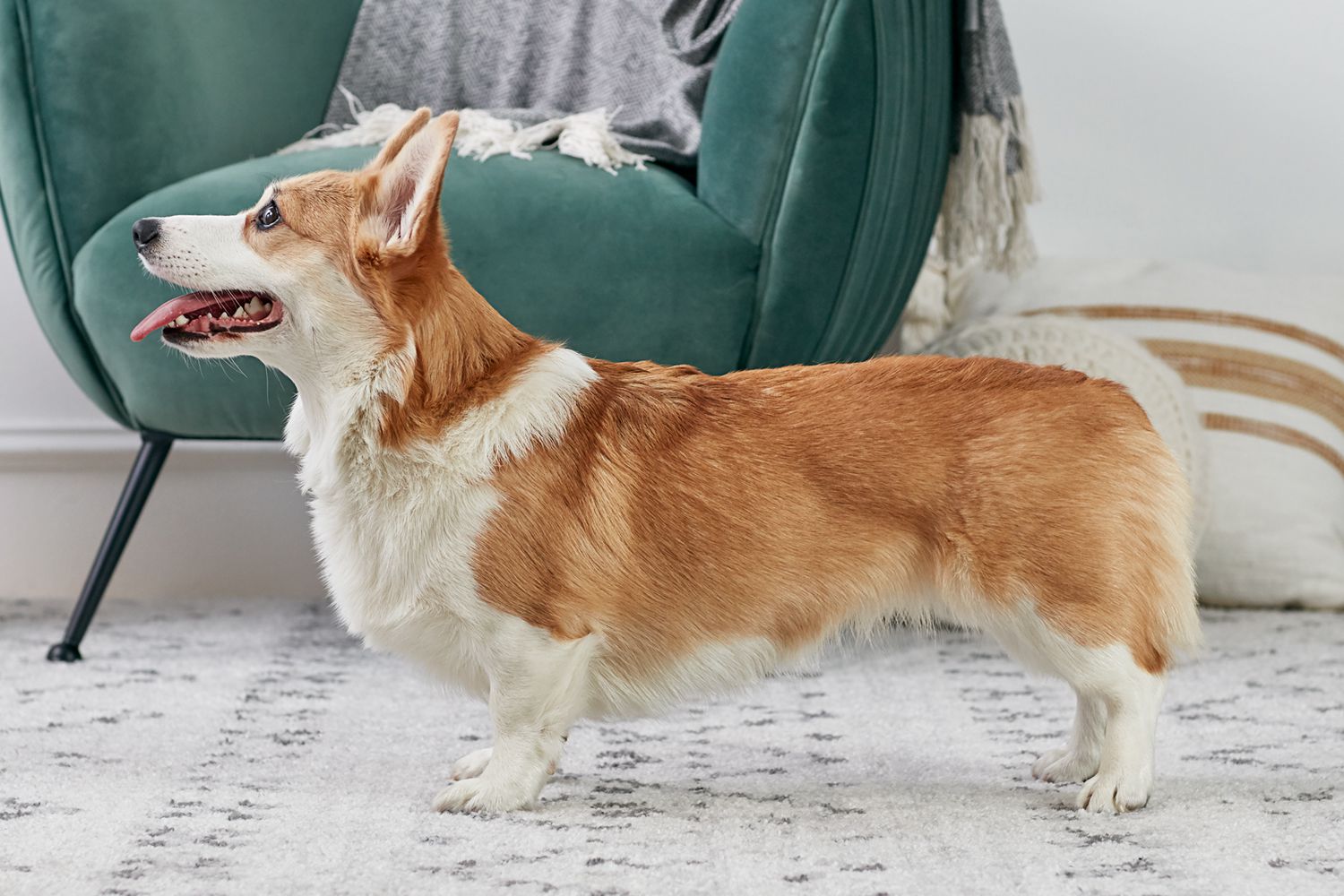
2. Pembroke Welsh Corgi
Queen Elizabeth II’s favorites, these herders from Wales use their nimble legs to nip at cattle heels. Smart and spirited, they excel in agility sports despite their stature. Their foxy faces and bouncy gait win over everyone, making them ideal for active households.
3. Cardigan Welsh Corgi
Slightly larger than Pembrokes, Cardigans boast a tail and ancient lineage tied to farm work. They’re affectionate watchdogs with a gentle side, perfect for kids. Their merle coats add flair, but they need mental stimulation to avoid boredom antics.
4. Basset Hound
With droopy ears and soulful eyes, Bassets are scent hounds extraordinaire from France. Their short legs keep noses close to the ground for tracking. Laid-back yet stubborn, they love lazy days but surprise with endurance on walks.
5. French Bulldog
Urban darlings with bat ears, Frenchies combine playfulness with a chill attitude. Bred as companions, their compact frames suit city living. They snort and snore adorably, but watch for breathing issues in heat.
6. English Bulldog
Stocky and wrinkly, Bulldogs embody relaxed vibes with a history in bull-baiting. Now gentle giants at heart, they adore naps and short play sessions. Their short legs mean low exercise needs, ideal for cozy homes.
7. Shih Tzu
Fluffy lap dogs from Tibet, Shih Tzus were palace pets with flowing coats hiding sturdy short legs. Sassy yet sweet, they bond deeply with owners. Grooming is key, but their clownish antics make it worthwhile.
8. Scottish Terrier
Scotties from Scotland are dignified diggers with wiry coats and bold spirits. Independent thinkers, they chase squirrels with gusto. Their short legs don’t slow them; they’re feisty family guardians.
9. West Highland White Terrier
Westies shine with bright white fur and perky ears, originally rat hunters in Scotland. Cheerful and curious, they love games. Their compact build fits apartments, but they need outlets for energy.
10. Cairn Terrier
Toto from “The Wizard of Oz” fame, Cairns are scrappy Scottish terriers built for rocky terrains. Adventurous and affectionate, their short legs power through hikes. They’re low-maintenance coats hide a big personality.
11. Dandie Dinmont Terrier
Rare gems from Scotland, Dandies have topknots and soulful eyes atop short legs. Gentle with families, they’re vermin hunters at heart. Their unique look turns heads, paired with a calm demeanor.
12. Skye Terrier
Long-haired loyalists from the Isle of Skye, these terriers guarded flocks with courage. Reserved with strangers but devoted to owners, their flowing coats demand care. Short legs give them a gliding walk.
13. Australian Terrier
Aussies are plucky ratters with rough coats and spirited attitudes. Small but mighty, they adapt to various homes. Their short legs aid in quick maneuvers, making them fun playmates.
14. Norfolk Terrier
Drop-eared darlings from England, Norfolks are compact hunters with big hearts. Friendly and fearless, they chase toys endlessly. Easy to train, their short legs suit indoor fun.
15. Norwich Terrier
Prick-eared cousins to Norfolks, Norwichs share the same spunk in a tiny package. Affectionate explorers, they’re great with kids. Their wiry coats and short legs make grooming simple.
16. Petit Basset Griffon Vendéen
French scent hounds with shaggy coats, PBGVs are merry souls built for rough terrain. Energetic and vocal, they love outdoor pursuits. Short legs keep them grounded for sniffing trails.
17. Clumber Spaniel
Heaviest of spaniels from England, Clumbers flush game with deliberate paces. Gentle giants, they’re family-oriented couch potatoes. Their short legs support a sturdy frame for relaxed living.
18. Sussex Spaniel
Golden-livered Brits, Sussexes are slow but steady bird dogs. Clownish and kind, they bond tightly. Short legs aid in dense underbrush, but they prefer home comforts now.
19. Lancashire Heeler
Rare herders from England, Heelers nip cattle with agility. Smart and versatile, they’re farm or family pets. Their short legs and alert eyes make them endearing watchdogs.
Comparing Short-Legged Breeds: Size, Energy, and More
Not all short-legged dogs are alike—some are tiny lap warmers, others energetic explorers. Here’s a table breaking down key traits for quick comparison:
| Breed | Height (inches) | Weight (lbs) | Energy Level | Lifespan (years) | Best For |
|---|---|---|---|---|---|
| Dachshund | 8-9 | 16-32 | Medium | 12-16 | Families, apartments |
| Pembroke Welsh Corgi | 10-12 | 24-30 | High | 12-13 | Active homes, kids |
| Basset Hound | 11-15 | 40-65 | Low | 12-13 | Relaxed owners |
| French Bulldog | 11-12 | 16-28 | Low-Medium | 10-12 | City living |
| Shih Tzu | 9-10.5 | 9-16 | Low | 10-18 | Seniors, cuddles |
| Scottish Terrier | 10 | 18-22 | Medium | 12 | Independent folks |
| Cairn Terrier | 9.5-10 | 13-14 | High | 13-15 | Playful families |
| Dandie Dinmont Terrier | 8-11 | 18-24 | Medium | 12-15 | Quiet households |
| Skye Terrier | 9.5-10 | 35-45 | Medium | 12-14 | Devoted owners |
| Australian Terrier | 10-11 | 15-20 | High | 12-15 | Outdoor enthusiasts |
This snapshot helps match breeds to lifestyles. For more on herding breeds, see the AKC’s guide [external link: https://www.akc.org/dog-breeds/herding/]. Check our site for small dog tips [internal link: /small-dog-care].
Terrier vs. Hound Short-Legged Dogs
Terriers like Scotties are feisty diggers, thriving on mental challenges. Hounds such as Bassets prefer scent games and chill vibes. Both groups bond deeply, but terriers demand more engagement.
Spaniel vs. Bulldog Breeds
Spaniels bring hunting energy with affectionate natures, needing space to roam. Bulldogs offer low-key companionship, suiting couch-centric lives. Choose based on your activity level.
Pros and Cons of Owning a Short-Legged Dog
Pros:
- Adorable waddle that brightens any day
- Often apartment-friendly due to size
- Strong personalities for endless entertainment
- Good for families with gentle play styles
Cons:
- Prone to back and joint issues
- May need ramps for furniture access
- Some breeds stubborn during training
- Higher grooming needs in long-haired types
Weigh these carefully; the joys often outweigh the challenges with proper care.
People Also Ask: Common Questions About Short-Legged Dogs
Based on real Google searches, here’s what folks wonder about these pups.
What breed of dog has short legs?
Many do, but Dachshunds and Corgis top the list for their iconic low profiles. Breeds like Bassets and Frenchies also qualify, thanks to chondrodysplasia.
Why do some dogs have short legs?
It’s often due to a genetic mutation bred for practical purposes, like herding or hunting in tight spaces. This helps them avoid kicks or burrow easily.
Are short-legged dogs healthy?
Most lead happy lives, but they’re at risk for spinal issues. Regular vet care and weight management keep problems at bay.
What is the name of the dog with short legs?
They’re sometimes called chondrodystrophic breeds, but popularly, think “wiener dogs” for Dachshunds or “low-riders” in general.
Where to Find Your Short-Legged Companion
Adopt from shelters via Petfinder [external link: https://www.petfinder.com/]. For breeders, check AKC Marketplace [external link: https://marketplace.akc.org/]. Local rescues often have mixes—my Sausage was a shelter find!
Best Rescue Organizations
ASPCA and breed-specific groups like Dachshund Rescue offer great options. They match pups to homes thoughtfully.
Reputable Breeders to Consider
Look for AKC-registered ones emphasizing health tests. Avoid puppy mills; ethical breeders prioritize welfare.
Essential Supplies for New Owners
Stock up on ramps, orthopedic beds, and joint chews from Chewy [external link: https://www.chewy.com/]. Our budget pet gear guide has more [internal link: /pet-supplies-on-a-budget].
FAQ: Your Top Questions Answered
What causes short legs in dogs?
A genetic condition called chondrodysplasia affects bone growth, often selected for in breeding for functional traits.
Are short-legged dogs good with kids?
Many are, like Corgis and Shih Tzus, but supervise play to avoid back strain. Their size makes them less intimidating.
How do I prevent health issues in these breeds?
Maintain ideal weight, use ramps, and schedule regular vet visits. Exercise moderately to build strength.
What’s the smallest short-legged breed?
Shih Tzus or Pomeranians edge out, but true short-legs like mini Dachshunds fit tiny spaces perfectly.
Do short-legged dogs need special grooming?
Depends on coat—wiry terriers need stripping, while smooth ones are easy. All benefit from nail trims due to less wear.
These short-legged wonders pack so much joy into compact packages. Whether it’s a waddling walk or a loyal lap sit, they’ve got a way of becoming family fast. I hope this guide sparks your interest—maybe even leads to a new furry friend. For more breed spotlights, explore our dog directory [internal link: /dog-breeds-guide]. What’s your favorite short-legged breed? Share below!