I’ve always been drawn to cats that look a little different—like they’ve got their own quirky style. That’s how I fell for curly-haired breeds years ago when I volunteered at a shelter and met a scruffy Selkirk Rex rescue named Luna. She looked like a walking teddy bear with those loose curls, and her sweet, mellow vibe won me over instantly. If you’re curious about these rare, wavy-coated felines, you’re in the right place. Today, there are four officially recognized curly-haired breeds, each with distinct coats and personalities that make them stand out. Let’s explore them together.
Why Curly-Haired Cats Are So Special
Curly coats come from natural genetic mutations that affect hair structure, often reducing shedding and giving that plush or wavy feel. These breeds aren’t just visually striking—they tend to be affectionate, playful, and people-oriented. From my time fostering a few, I’ve learned they thrive on interaction but each has its own twist.
Their low-shedding fur appeals to many, though no cat is truly hypoallergenic. Regular care keeps those curls looking great without much fuss. It’s no wonder these cats turn heads wherever they go.
The Selkirk Rex: The Teddy Bear of Cats
The Selkirk Rex earns its nickname “cat in sheep’s clothing” with its dense, plush curls that feel incredibly soft. Originating from a single curly kitten in Montana back in 1987, this breed comes in both short and longhair varieties. Luna’s thick coat always made her look freshly groomed, even on lazy days.
They’re known for laid-back personalities—patient, tolerant, and loving without being demanding. Perfect for families or calmer homes. Their sturdy build and round faces add to that cuddly appeal.
Coat and Appearance
Loose, unstructured curls cover their body, with even wavy whiskers. Colors come in everything from solid to tabby. Longhairs have a more tousled look, while shorthairs feel velvety.
Personality Traits
Calm and affectionate, they bond deeply but aren’t clingy. Great with kids and other pets. Luna would nap on anyone’s lap who sat still long enough.
The LaPerm: Wavy Elegance with a Playful Spirit
LaPerms boast springy ringlets or waves that give them a “just permed” vibe—hence the name. This breed started on an Oregon farm in 1982 when a barn cat birthed a bald kitten that grew curly fur. They’re medium-sized with athletic builds.
I fostered a LaPerm once; he was endlessly curious, always seeking attention but in the sweetest way. Their coats are lighter and bouncier than others.
Coat Variations
From tight curls to loose waves, in short or long lengths. They often start bald or straight and curl up later.
Temperament Highlights
Outgoing and gentle, they love laps but also play actively. Intelligent hunters at heart, yet super affectionate.
The Devon Rex: Pixie-Like Mischief Makers
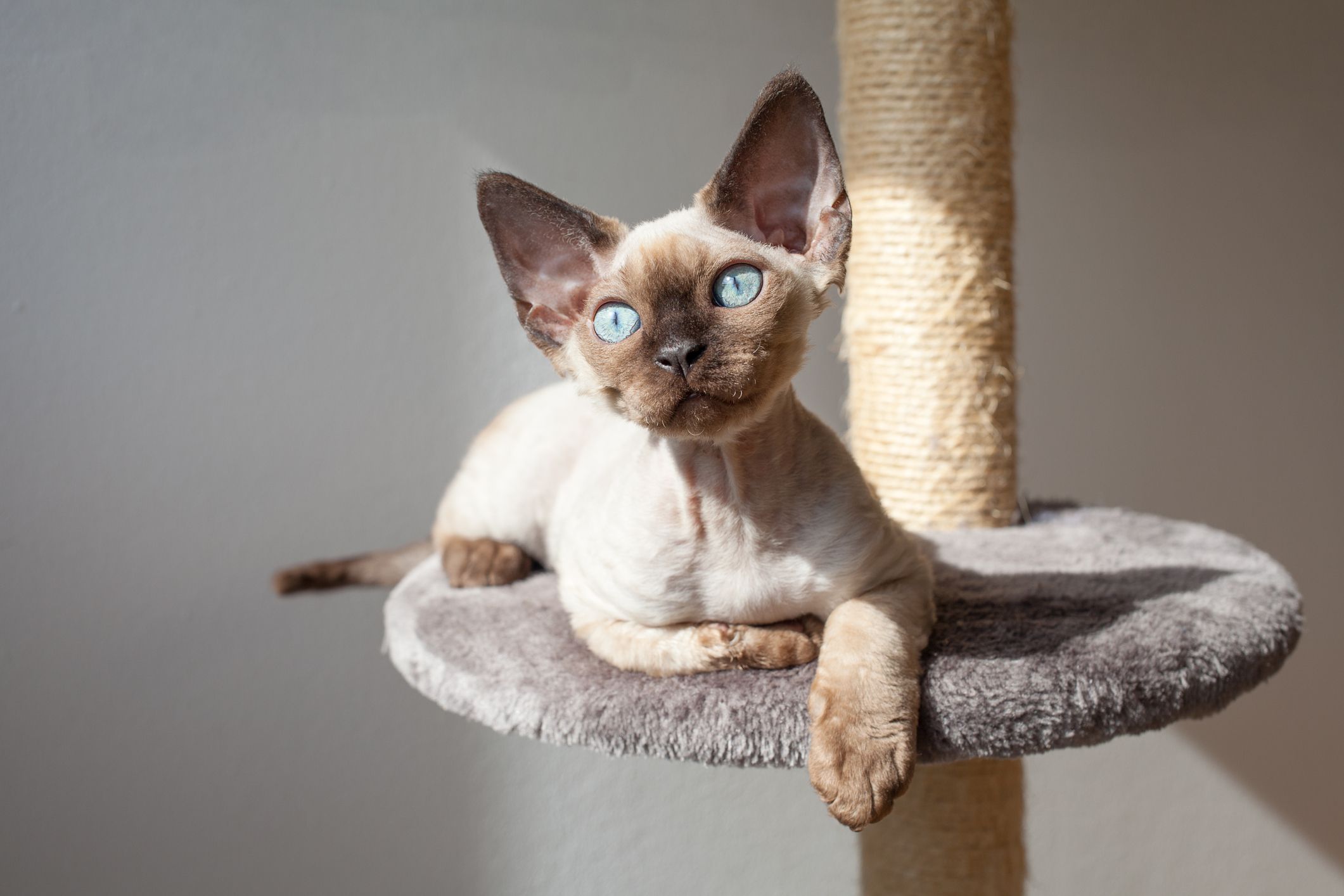
Devon Rex cats look like little elves with huge ears, big eyes, and short, wavy coats. Born from a stray in England in the 1950s, their fur is soft and suede-like, with curly whiskers too.
They’re high-energy clowns—jumping, fetching, and perching on shoulders. My friend’s Devon was a total velcro cat, following her everywhere with endless antics.
Distinctive Features
Slim bodies, wedge-shaped heads, and those oversized ears make them unmistakable.
Behavior and Energy
Super playful and smart, they crave interaction. Not for folks who want a low-key pet.
The Cornish Rex: Sleek and Athletic Waves
Cornish Rex have tight, marcel waves in a very short coat—only downy underfur, no guard hairs. Starting in Cornwall, England, in 1950, they’re slender like greyhounds with arched backs.
They’re athletic and curious, loving to run and climb. A Cornish I knew would race around the house in joyful zoomies, then crash for cuddles.
Coat Texture
Silky and dense waves lying close to the body, feeling like velvet.
Personality Notes
Energetic entertainers, vocal when they want attention, but deeply loyal.
Daily Care for Curly-Haired Cats
These breeds share some needs due to their unique coats, but care is straightforward once you get the hang of it. From experience, consistency prevents issues like oil buildup.
Most have thinner coats, so they feel cold easily—keep them indoors. Bathing occasionally helps with natural oils.
Grooming Essentials
Gentle brushing weekly for most; avoid overdoing it to preserve curls. Use a soft comb or hands.
Exercise and Play
High energy in many—provide toys, trees, and interactive play daily.
Nutrition Tips
High-protein diet suits their active lifestyles. Monitor portions to avoid weight gain.
Health Considerations
Curly breeds are generally healthy, but watch breed-specific issues. Regular vet visits catch things early.
Some Rex types prone to skin sensitivity or ear wax buildup.
Common Concerns
Hypertrophic cardiomyopathy in some lines; patellar luxation possible. Genetic testing in reputable breeding helps.
Lifespan Expectations
Most live 12-18 years with good care. Luna made it to 16, full of curls till the end.
Pros and Cons of Curly-Haired Breeds
Owning one is rewarding, but not for everyone. Here’s a balanced look.
Pros
- Unique, eye-catching appearance that sparks conversations.
- Often low-shedding, easier on allergies (though not hypoallergenic).
- Affectionate and engaging personalities.
- Playful companions that keep life fun.
Cons
- Higher grooming needs for some to prevent matting or oiliness.
- Many are vocal or demanding of attention.
- Sensitive to cold; strictly indoor cats.
- Rarer breeds mean higher costs and waitlists.
Comparison of the Four Curly Breeds
Each stands out differently. Here’s a quick table to compare key traits.
| Breed | Coat Type | Body Build | Energy Level | Best For |
|---|---|---|---|---|
| Selkirk Rex | Plush, loose curls (short/long) | Sturdy, rounded | Moderate | Calm homes, families |
| LaPerm | Springy waves/ringlets | Athletic | High | Active, affectionate owners |
| Devon Rex | Short, soft waves | Slim, elfin | Very high | Playful, interactive households |
| Cornish Rex | Tight marcel waves | Sleek, arched | Very high | Energetic families |
Selkirks suit chill vibes, while Rexes bring more mischief.
People Also Ask: Common Questions About Curly-Haired Cats
Based on popular searches, here are answers to what folks often wonder.
Are curly-haired cats hypoallergenic?
Not truly, but many shed less and produce fewer allergens for some people. Always test by spending time with one.
How do you groom a curly-haired cat?
Gently—weekly brushing, occasional baths. Avoid harsh tools that straighten curls.
Do curly-haired cats shed?
Less than straight-coated breeds, thanks to their unique fur structure.
What causes curly hair in cats?
Genetic mutations affecting hair follicles—different ones for each breed.
Are curly-haired cats rare?
Yes, these four breeds make up a small percentage of cats overall.
Where to Find a Curly-Haired Cat
Ethical sources matter most. Start with rescues for mixes or purebreds needing homes.
Reputable Breeders
Look for TICA or CFA-registered ones who health-test. Sites like TICA Breeders list them.
Adoption Options
Check Petfinder or breed-specific rescues. Many curly cats end up in shelters. Petfinder Curly Cats
Best Tools and Products for Curly Cat Care
Quality items make upkeep easier.
Grooming Aids
Soft slicker brushes or grooming gloves. Hypoallergenic shampoos for baths.
Play Essentials
Interactive toys like feather wands or puzzle feeders for their smarts.
Health Boosts
Ear cleaners for wax-prone breeds; joint supplements as they age.
FAQ
Quick answers to frequent owner questions.
Do curly-haired cats need special grooming?
Yes, but minimal—focus on gentle care to maintain curls.
Are curly cats good with kids?
Most are patient and playful, especially Selkirks and LaPerms.
How much do curly-haired cats cost?
Kittens from breeders: $800-$2,000+. Adoption much less.
Which curly breed is most affectionate?
All are loving, but Devons and LaPerms often top the clingy charts.
Can curly cats live with other pets?
Absolutely, with proper intros—they’re sociable.
In the end, curly-haired cats like my dear Luna bring so much joy with their unique looks and loving ways. Whether it’s the plush hugs of a Selkirk or the playful antics of a Rex, one of these breeds might just steal your heart. If you’re ready for a companion who’s as charming as they are curly, dive in—these cats make every day a little more special.