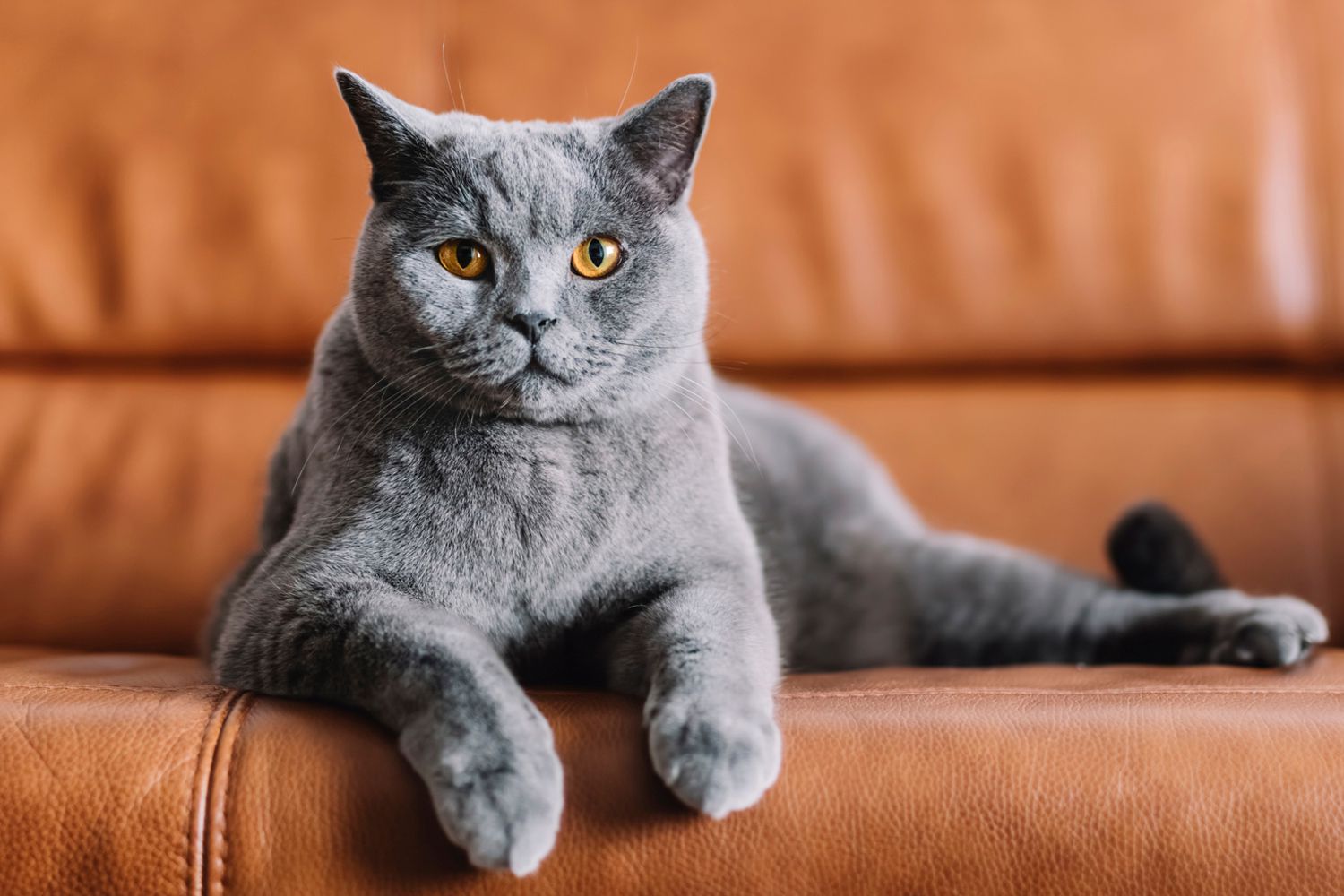
Hey cat lovers, let me take you back to that rainy afternoon when I first met Misty, my Russian Blue rescue. She sauntered into the shelter room with that shimmering gray-blue coat and those piercing green eyes, like she owned the place. I was smitten instantly—her quiet confidence and soft purr sealed the deal. If you’re drawn to the mystique of blue cats, you’re not alone. These felines aren’t actually blue like the ocean but sport stunning shades of gray with a bluish tint that catches the light just right. We’ll explore 10 breeds that combine striking looks with personalities that make them irresistible companions. From playful explorers to cuddly lap warmers, each has its own charm, backed by real insights to help you decide if one’s right for your home.
What Makes Blue Cats So Captivating
Blue cats get their color from a dilution gene that turns black fur into soft gray tones. This subtle hue gives them an ethereal vibe, often paired with bright eyes that pop against the coat. Beyond aesthetics, many blue breeds hail from ancient lineages, bringing resilience and unique traits that endear them to owners.
Health Considerations for Blue Cat Breeds
While blue coats are gorgeous, some breeds face breed-specific issues like joint problems or grooming needs. Regular vet check-ups catch these early, ensuring your cat lives a long, happy life. I learned this with Misty—her breed’s tendency for heart concerns meant annual echoes, but she’s thriving at 12.
Grooming Tips for That Signature Blue Shine
A blue coat shines with proper care. Weekly brushing removes loose fur, and high-quality food keeps it silky. For long-haired blues, detangling sprays prevent mats without much fuss.
1. Russian Blue: The Quiet Observer
Russian Blues charm with their plush double coats and emerald eyes. They’re smart and affectionate but not overly demanding, often bonding deeply with one person. Misty would perch on my desk, watching me work like a furry supervisor—her gentle nature made her perfect for my quiet apartment life.
2. Chartreux: The Smiling Monk
Chartreux cats boast woolly blue-gray fur and copper eyes that give them a perpetual grin. Known for their calm demeanor and hunting prowess, they’re adaptable to families or solo living. A friend adopted one named Charlie, who turned out to be a master mouser—his playful chirps added joy to her home without chaos.
3. Korat: The Lucky Charm
Korats feature heart-shaped faces and silver-tipped blue coats that feel like silk. They’re vocal and devoted, often following owners like shadows. My neighbor’s Korat, Luna, greets visitors with head butts—her Thai heritage as a good-luck symbol feels spot-on with her loving energy.
4. British Shorthair: The Teddy Bear
British Shorthairs in blue have dense, plush fur and round faces that scream cuddly. Easygoing and independent, they suit busy households. I once cat-sat a blue Brit named Oliver, who lounged like royalty—his chill vibe made weekends feel like spa days.
5. Nebelung: The Misty Mystic
Nebelungs resemble long-haired Russian Blues with flowing blue coats and green eyes. Shy at first but loyal once bonded, they enjoy quiet play. A breeder shared how her Nebelung, Foggy, loves feather toys—his elegant leaps turn playtime into poetry.
6. Burmese: The Velvet Companion
Blue Burmese have sleek, satin-like coats and golden eyes that mesmerize. Outgoing and people-oriented, they’re like dogs in cat form. My aunt’s Burmese, Sapphire, demands lap time daily—her purring affection melts away stress like nothing else.
7. Oriental Shorthair: The Chatty Athlete
Blue Orientals sport slim bodies and large ears, with glossy coats that highlight their agility. Vocal and curious, they thrive on interaction. I met one at a show named Echo—his meows told stories, and his energy kept everyone entertained.
8. Scottish Fold: The Folded-Ear Friend
Blue Scottish Folds have folded ears and soft fur, giving them an owl-like charm. Sweet and adaptable, they love company. A vet tech’s Fold, Blueberry, snuggles during movie nights—his quirky look draws smiles, but health checks are key for joints.
9. American Shorthair: The All-American Pal
Blue American Shorthairs feature sturdy builds and easy-care coats. Versatile and friendly, they’re great with kids. My childhood cat, Stormy, was one—his playful hunts for toys made family gatherings fun, proving blues can be everyday heroes.
10. Persian: The Fluffy Aristocrat
Blue Persians dazzle with long, luxurious fur and expressive eyes. Gentle and laid-back, they prefer pampering. A groomer’s client, Azure, lounges like a queen—her daily brushes build bonds, turning grooming into treasured moments.
Comparing Short-Haired vs. Long-Haired Blue Breeds
Short-haired blues like Russian Blues shed less and need minimal grooming, ideal for allergy sufferers. Long-haired ones like Nebelungs offer fluffier cuddles but require more brushing to avoid tangles.
Short-Haired Blues: Low-Maintenance Gems
These breeds focus on sleek coats that shine with basic care. Think quick weekly combs and they’re good—perfect for first-time owners.
Long-Haired Blues: Luxurious Companions
Fluffier fur means daily detangling, but the softness is worth it. They often have calmer personalities, suiting cozy homes.
Pros and Cons of Adopting a Blue Cat
Pros: Unique colors turn heads, many are hypoallergenic with less dander, loyal bonds form quickly. Cons: Some need extra grooming, potential for breed-specific health issues, shyness in new settings.
- Pros: Eye-catching aesthetics, intelligent playmates, adaptable to apartments.
- Cons: Higher vet costs for some, vocal tendencies in others, prey drive around small pets.
Blue Cat Breed Comparison Table
| Breed | Coat Type | Personality | Size | Lifespan |
|---|---|---|---|---|
| Russian Blue | Short, dense | Affectionate, shy | Medium | 15-20 years |
| Chartreux | Short, woolly | Calm, playful | Medium-large | 12-15 years |
| Korat | Short, silky | Devoted, vocal | Small-medium | 10-15 years |
| British Shorthair | Short, plush | Easygoing, independent | Medium-large | 12-20 years |
| Nebelung | Long, flowing | Loyal, gentle | Medium | 15-18 years |
| Burmese | Short, satin | Outgoing, affectionate | Medium | 10-16 years |
| Oriental Shorthair | Short, glossy | Curious, chatty | Medium | 12-15 years |
| Scottish Fold | Short-medium | Sweet, adaptable | Medium | 11-15 years |
| American Shorthair | Short, thick | Friendly, versatile | Medium-large | 15-20 years |
| Persian | Long, luxurious | Gentle, laid-back | Medium | 12-17 years |
What Is a Blue Cat Coat?
A blue coat in cats refers to a diluted black fur that appears slate gray with blue undertones. It’s genetic, common in purebreds, and often paired with vivid eye colors for that wow factor.
Where to Find Blue Cats for Adoption
Shelters like ASPCA or breed-specific rescues on Petfinder often have blues. For purebreds, check CFA-affiliated breeders—always visit to ensure ethical practices.
Best Tools for Blue Cat Care
Grooming? Hertzko self-cleaning brushes ease shedding. For play, interactive wands like Da Bird engage their instincts. Nutrition? Blue Buffalo foods support coat health—shop Chewy for deals.
Training Your Blue Cat: Simple Steps
Blues are smart, so positive reinforcement works wonders. Use clickers for tricks—Misty learned to high-five with treats, strengthening our bond.
Nutrition Needs for Vibrant Blue Coats
Omega-rich diets keep fur glossy. Wet foods hydrate, while kibble cleans teeth—mix for balance, as I did for Misty’s silky shine.
Socializing Shy Blue Breeds
Start slow with treats and play. Exposure builds confidence—Charlie the Chartreux blossomed from hiding to greeting guests.
People Also Ask: Common Queries About Blue Cats
Pulling from popular searches, here’s what folks often wonder about these gray wonders.
Why Are Blue Cats Called Blue Even Though They’re Grey?
The term “blue” describes the diluted black pigment creating a bluish tint in light. It’s a feline fancy term, like in Russian Blues or Korats.
Is the Russian Blue Cat the Right Breed for You?
If you want a calm, intelligent companion who’s affectionate but independent, yes. They’re great for quiet homes but need play to stay happy.
Are Blue Cats Rare?
Some like Nebelungs are less common, but Russian Blues are widespread. Rarity boosts appeal, though rescues often have mixes.
What Makes Russian Blue Cats Special?
Their double coats resist matting, and they’re hypoallergenic for many. Plus, that loyal, dog-like bond is unbeatable.
Bringing Home Your Blue Beauty
Adopting a blue cat means welcoming elegance and heart. From Misty’s soft gazes to stories of playful Korats, these breeds enrich lives. Research breeders via [internal link to adoption resources] or visit CFA.org for guidance. Here’s to finding your perfect match—may it be filled with purrs and whiskers.
FAQ
How do blue cats get their color?
A genetic dilution turns black fur gray-blue—it’s recessive, so both parents need the gene.
Are blue cats hypoallergenic?
Many like Russian Blues produce less Fel d1 protein, easing allergies, but no cat is fully hypoallergenic.
What’s the average cost of a blue cat breed?
Rescues: $50-200; purebreds: $500-2000, depending on breed and lineage.
Do blue cats require special grooming?
Short-haired need weekly brushes; long-haired daily to prevent mats—use undercoat rakes.
Which blue breed is best for families with kids?
British Shorthairs or American Shorthairs—patient and playful without being overwhelming.