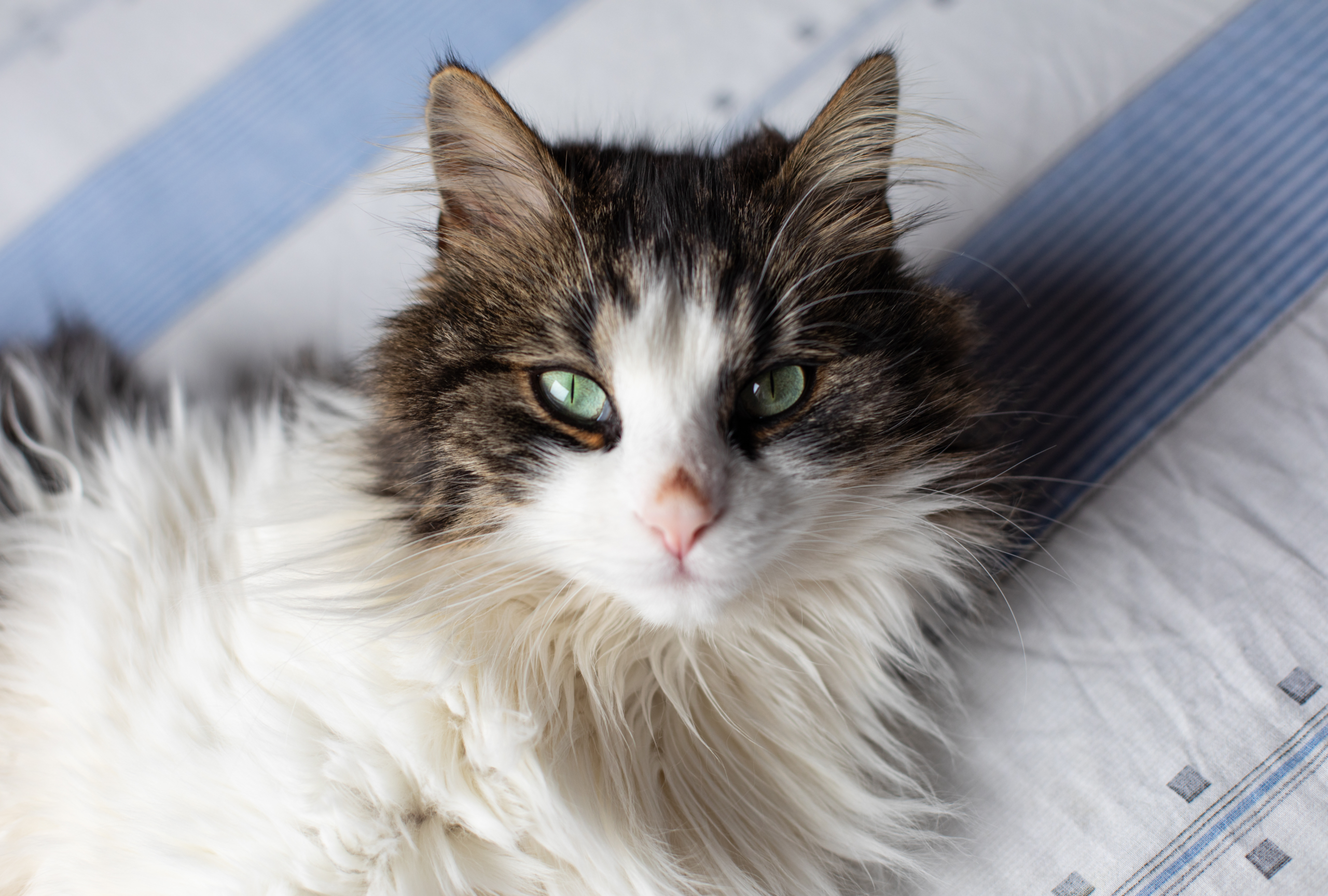
Summer brings longer days and warmer vibes, but for owners of fluffy felines, it can spell trouble. I remember one scorching July when my Maine Coon, Oliver, started acting off—sprawled on the tile floor, breathing a bit faster than usual. Turns out, his thick coat was trapping heat like a wool sweater. Long-haired cats like Persians, Maine Coons, and Ragdolls are prone to overheating because their fur acts as insulation, making it harder to cool down. As a vet with over a decade in practice, I’ve seen how quickly mild discomfort can turn serious. In this guide, we’ll cover the telltale signs, why these breeds struggle more, and practical ways to keep them comfortable. Let’s help your kitty beat the heat safely.
Why Long-Haired Cats Overheat More Easily
That luxurious coat keeps them warm in winter but becomes a burden in heat. Thick fur blocks airflow to the skin, trapping body warmth. Add humidity, and evaporation from panting or paws slows down. Vets often see this in breeds with dense undercoats—it’s nature’s design gone overboard in modern homes.
The Role of Coat Thickness and Undercoat
Many long-haired cats have double coats: a fluffy underlayer for insulation plus longer guard hairs. This setup shines in cold but hinders heat release in summer. Matted areas worsen it, creating hot spots that breed discomfort.
Breed-Specific Vulnerabilities
Persians and Himalayans face double trouble with flat faces limiting breathing. Maine Coons and Ragdolls, while better breathers, have massive fur volumes. Overweight or senior cats in these breeds struggle hardest, as extra fat adds insulation.
Environmental and Lifestyle Factors
Indoor cats without AC, or those in hot climates, risk more. Lack of shade, poor ventilation, or even stress spikes body temp. I’ve treated cats trapped in sunny rooms—always check where yours hides on hot days.
Recognizing the Signs of Overheating
Cats hide discomfort well, so subtle changes matter. Early signs like restlessness can escalate to heatstroke fast if ignored. Normal cat temp is 100-102.5°F; over 104°F is emergency territory.
Early Warning Signs
Look for excessive grooming to cool via saliva, sweaty paws leaving prints, or seeking cool surfaces like sinks. Increased drinking or hiding signals they’re uncomfortable.
Moderate Symptoms of Heat Stress
Panting with open mouth isn’t normal in cats—it’s a red flag. Add drooling, rapid breathing, or bright red gums, and act quickly.
Severe Heatstroke Indicators
Lethargy, vomiting, staggering, or collapse mean trouble. Seizures or unconsciousness demand immediate vet care. Rectal temp over 104°F confirms heatstroke.
Common Long-Haired Breeds Prone to Heat Issues
Certain fluffballs top the list for heat sensitivity. Here’s a quick overview:
| Breed | Coat Density | Additional Risks | Typical Lifespan |
|---|---|---|---|
| Persian | Very High | Flat face (BOAS) | 12-17 years |
| Maine Coon | High | Large size, thick undercoat | 12-15 years |
| Ragdoll | High | Relaxed, less active | 12-17 years |
| Himalayan | Very High | Flat face, colorpoint | 9-15 years |
| Norwegian Forest | High | Dense for cold climates | 14-16 years |
| Siberian | High | Triple coat | 11-18 years |
These breeds often need extra vigilance in summer. For more on brachycephalic care, see PetMD’s guide [external link: https://www.petmd.com/cat/conditions/systemic/heatstroke-cats].
Comparing Flat-Faced vs. Long-Nosed Long-Hairs
Flat-faced like Persians overheat fastest due to airway issues. Long-nosed like Maine Coons rely more on grooming but still trap heat in fur.
Age and Health Impacts
Kittens, seniors, obese, or heart-conditioned cats overheat quicker. Their bodies regulate temp less efficiently.
Daily Strategies to Keep Your Long-Haired Cat Cool
Prevention beats treatment every time. Simple home tweaks make big differences.
Grooming Routines for Heat Relief
Brush daily to remove loose fur and prevent mats. A de-shedding tool works wonders—my clients swear by them.
Hydration and Diet Tips
Multiple water stations, fountains for appeal, or ice cubes entice drinking. Wet food boosts moisture intake.
Home Environment Adjustments
Fans, AC, closed curtains on sunny windows. Cooling mats or frozen treats provide relief.
Best Products for Cooling Long-Haired Cats
Vet-recommended tools ease summer woes. Here’s a comparison:
| Product Type | Example | Pros | Cons | Price Range |
|---|---|---|---|---|
| Cooling Mat | Chillz Gel Mat | No electricity, pressure-activated | May leak if punctured | $20-40 |
| Grooming Tool | Furminator De-Shedder | Reduces shedding 90% | Can cut if used wrong | $30-50 |
| Water Fountain | Catit Flower Fountain | Encourages drinking | Needs cleaning | $25-45 |
| Fan | Clip-on Pet Fan | Direct airflow | Noise might bother some | $15-30 |
| Frozen Treats | Churu Purees (frozen) | Hydrating and fun | Messy if melts fast | $10-20 |
Shop at Chewy for fast delivery [external link: https://www.chewy.com/]. Our summer pet essentials guide has more [internal link: /summer-pet-care].
Pros and Cons of Summer Haircuts
Pros: Immediate relief, less matting, cooler feel.
Cons: Stress from grooming, regrowth issues, sun exposure risk.
Many vets suggest lion cuts only if matted—otherwise, brushing suffices.
What to Do If Your Cat Is Overheating
Act fast but calmly. Move to cool area, offer water, dampen fur with room-temp water (avoid ice shock).
First Aid Steps at Home
Wet paws, belly, ears gently. Fan for airflow. Monitor temp if possible.
When to Rush to the Vet
Any severe signs or no improvement in 10-15 minutes—go now. IV fluids often save lives.
Long-Term Recovery Tips
Follow-up bloodwork checks organs. Rest and monitoring prevent relapse.
People Also Ask: Common Questions About Cats and Heat
Real searches reveal what owners worry about most.
How can I tell if my long-haired cat is too hot?
Watch for panting, lethargy, or seeking cool spots. Sweaty paws or excessive grooming are clues.
Do long-haired cats need haircuts in summer?
Not always—regular brushing often enough. Consult a groomer for severe cases.
What temperature is too hot for cats indoors?
Above 85°F risks stress; keep under 80°F for comfort.
Can cats get heatstroke?
Yes, especially long-haired or flat-faced. It’s life-threatening without quick care.
Transactional Tips: Best Cooling Tools and Where to Buy
Top picks include cooling mats from Amazon or Chewy. For grooming, professional services via local vets.
Recommended Online Retailers
Chewy autoships fountains; Petco carries mats. Read reviews for durability.
Finding Professional Groomers
Search “cat groomer near me” or ask your vet. Look for cat-specialized to reduce stress.
Pros and Cons of Common Cooling Methods
Brushing: Pros—natural, bonding; Cons—time-consuming.
AC/Fans: Pros—effective; Cons—energy cost.
Wet Food: Pros—hydrates; Cons—spoils faster.
Haircuts: Pros—quick cool; Cons—potential skin issues.
FAQ: Your Top Questions Answered
Is panting normal in long-haired cats during heat?
No—panting signals distress. Normal cats breathe quietly.
How do I cool down an overheated cat quickly?
Damp towels on paws/groin, cool room, vet if severe.
Are certain long-haired breeds more at risk?
Yes, Persians due to faces; Maine Coons from volume.
Can I shave my cat to prevent overheating?
Possible, but consult vet—skin burns easily without fur.
What home remedies help cats stay cool?
Ice in water, frozen treats, tile floors for lounging.
Your long-haired companion deserves to enjoy summer without suffering. With watchful eyes and a few smart habits, you can spot trouble early and keep tails swishing happily. Oliver bounced back that hot July, and yours will too. If heat’s rising where you are, share your tips below or check our cat wellness resources [internal link: /cat-health-guide]. Stay cool!