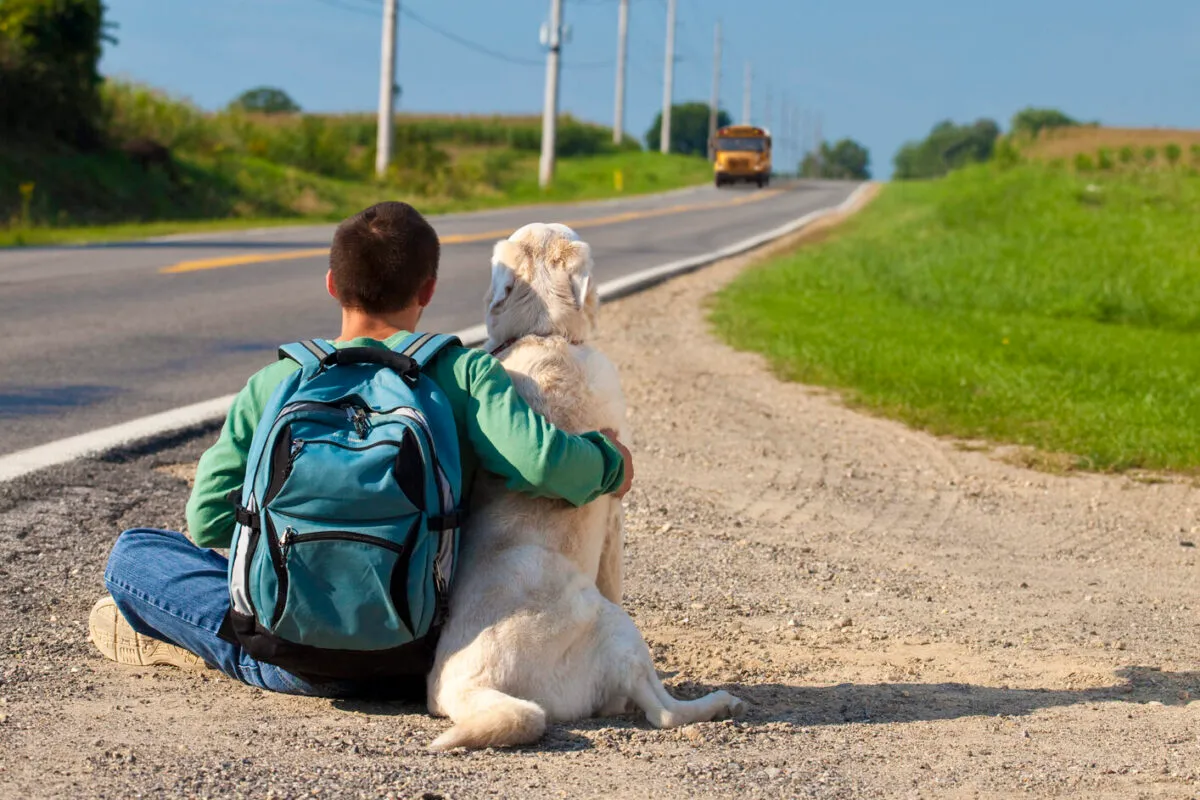
Ah, back-to-school time. That mix of excitement and chaos as kids grab their backpacks and head out the door. But while we’re all buzzing about new teachers and fresh notebooks, our furry friends at home might be feeling a bit lost. I remember when my golden retriever, Max, would stare out the window with those big sad eyes every September, wondering where his playmates vanished to. It’s heartbreaking, right? Pets thrive on routine and companionship, and suddenly, the house goes quiet. This shift can trigger real stress, often showing up as separation anxiety. In this article, we’ll dive deep into why this happens, spot the signs early, and share practical steps to ease your pet through it. Whether you’ve got a bouncy pup or a aloof cat, these tips come from years of chatting with vets and fellow pet parents who’ve been there.
Why Back-to-School Season Hits Pets Hard
Picture this: summer’s been a whirlwind of backyard games, extra walks, and constant belly rubs. Then bam—everyone’s gone for hours. Pets don’t get memos about school schedules; they just feel the absence. This abrupt change disrupts their sense of security, leading to anxiety that’s more common than you might think. According to experts, dogs and cats alike can struggle, but it’s often worse for those adopted during quieter times like the pandemic. It’s not just loneliness; it’s a fear of abandonment wired into their instincts.
The Role of Routine Changes in Pet Stress
Routines are like comfort blankets for animals. When kids head back to class, meal times shift, play sessions shorten, and alone time stretches out. My cat once started knocking things off shelves right after my niece went back to school—it was her way of saying, “Hey, where’d the fun go?” This mismatch between summer vibes and fall quiet can spike cortisol levels, making even chill pets act out.
How Different Pets React: Dogs vs. Cats
Dogs often wear their hearts on their sleeves, pacing or whining when left alone. Cats, though, might hide it better, opting for subtle signs like over-grooming or avoiding their litter box. I had a rescue dog who shredded pillows, while my neighbor’s tabby just sulked in corners. Understanding these species-specific quirks helps tailor your approach.
Spotting the Signs of Separation Anxiety in Your Pet
You know your pet best, so tuning into behavioral shifts is key. Early detection means quicker relief, preventing small issues from becoming big habits. Think of it as reading their body language—those little cues that scream, “I’m not okay!”
Common Behavioral Indicators
Watch for excessive barking or meowing when you’re prepping to leave. Destructive chewing on shoes or furniture often stems from boredom mixed with worry. Pacing back and forth near doors is another red flag, like they’re trying to will you back home.
Physical Symptoms to Watch For
Some pets show stress through their bodies—think drooling, trembling, or even accidents indoors despite being house-trained. My Max once had a bout of diarrhea right after school started; a vet visit confirmed it was anxiety-related. Loss of appetite or excessive panting without exercise? Time to investigate.
When to Consult a Vet
If signs persist beyond a week or two, don’t play guessing games. A professional can rule out medical issues and suggest tailored plans. I’ve taken pets in for check-ups that revealed underlying thyroid problems mimicking anxiety—better safe than sorry.
Preparing Your Pet for the Back-to-School Transition
Easing into change beats cold turkey every time. Start a couple weeks before school kicks off, tweaking schedules bit by bit. It’s like training for a marathon; gradual builds resilience without overwhelming them.
Gradual Schedule Adjustments
Begin waking up earlier and simulating school-day routines. Leave for short errands, building up to longer absences. My trick with Max was starting with 10-minute “fake outs,” rewarding calm behavior with treats upon return. This desensitizes them to departures.
Building Positive Associations with Alone Time
Turn solo hours into treat time. Hide snacks around the house or use puzzle feeders to make being alone an adventure. One pet parent I know swears by leaving a radio on soft talk shows—it mimics human presence without the hassle.
Involving the Whole Family
Get kids in on the action; have them practice quiet goodbyes and hellos. Teach them to ignore over-excited greetings for a minute to dial down the drama. Family meetings about pet care routines keep everyone on the same page, reducing mixed signals.
Daily Strategies to Keep Your Pet Calm While You’re Away
Once school’s in swing, daily habits make all the difference. It’s about creating a soothing environment that says, “You’re safe, and we’ll be back soon.” Mix in some fun to break up the monotony.
Morning Exercise Routines
Kick off the day with a brisk walk or play session. Tired pets are happy pets—less energy for fretting. I aim for 30 minutes of fetch with my dog before breakfast; it sets a positive tone and burns off jitters.
Enrichment Activities During the Day
Boredom breeds mischief, so stock up on brain games. Rotate toys to keep things fresh; a stuffed Kong can occupy them for hours. Cats love window perches for bird-watching—nature’s TV without the remote.
Tech Tools for Monitoring and Interaction
Pet cams let you peek in and even dispense treats remotely. I use one with two-way audio to chat with my cat during lunch breaks; it eases my mind too. Apps track activity levels, flagging unusual behavior early.
Best Products and Tools for Anxious Pets
Navigating the pet aisle can feel overwhelming, but focusing on proven items helps. From wearables to chews, these can complement training. Always chat with your vet first, especially for supplements.
Interactive Toys and Puzzles
These keep minds engaged, distracting from loneliness. Kongs filled with peanut butter are classics for a reason—dogs work for the reward. For cats, laser toys or feather wands on timers add unpredictability.
Calming Aids and Supplements
Pheromone diffusers mimic momma’s scent, promoting chill vibes. Calming chews with melatonin or L-theanine work wonders for mild cases. My go-to is NaturVet Quiet Moments; it’s vet-approved and tasty.
Wearable Anxiety Relievers
Thundershirts apply gentle pressure, like a hug in fabric form. They’re great for storm-phobes but shine during school days too. Sizes vary, so measure your pet for the best fit.
Here’s a quick comparison table of popular calming products:
| Product Type | Example | Pros | Cons | Price Range |
|---|---|---|---|---|
| Puzzle Toy | Kong Classic | Durable, versatile fillings | Can be messy | $10-20 |
| Calming Chew | NaturVet Quiet Moments | Natural ingredients, easy to give | Effects vary by pet | $15-25 |
| Pheromone Diffuser | Adaptil Collar | Long-lasting, no mess | Scent might bother humans | $20-30 |
| Anxiety Wrap | Thundershirt | Reusable, drug-free | Not for all body types | $30-40 |
| Interactive Cam | Furbo Dog Camera | Remote treats, HD video | Requires Wi-Fi | $100-150 |
This table highlights options for different budgets and needs. For more on pet cams, check out this guide from the American Kennel Club [external link: https://www.akc.org/expert-advice/home-living/best-dog-cameras/]. If you’re building a pet care routine, our site’s article on daily pet wellness might help [internal link: /pet-wellness-routines].
Pros and Cons of Professional Help vs. DIY Solutions
Hiring a trainer offers expert guidance, tailored plans, and faster results—perfect for severe cases. But it costs more and requires commitment. DIY methods like toys and routines are affordable and flexible, though they demand patience and might not suffice alone. Weigh your pet’s anxiety level; sometimes a combo wins.
People Also Ask: Common Questions About Pets and Back-to-School
Drawing from real Google searches, here’s what folks are wondering. These tie into what we’ve covered, offering quick insights.
How Can I Help My Dog Adjust to Being Alone After Summer Break?
Start early with short alone sessions, building gradually. Use enrichment and maintain routines. Vets recommend this phased approach to rebuild confidence.
Do Cats Experience Separation Anxiety Like Dogs?
Absolutely, though subtler. They might withdraw or act out. Provide high perches and scratching posts; it mimics their natural coping mechanisms.
What Are the Best Toys for Pets Home Alone During School?
Interactive puzzles top the list—think treat-dispensing balls or snuffle mats. They engage senses and curb boredom effectively.
When Should I See a Vet for My Pet’s Back-to-School Stress?
If symptoms like destruction or illness last over a week, book an appointment. Early intervention prevents escalation.
Are There Natural Remedies for Pet Anxiety?
Yes, things like chamomile teas (pet-safe) or CBD oils. Always vet-check dosages; they’re supplements, not cures.
Comparing Approaches: Dogs, Cats, and Other Pets
Dogs often need more physical outlets, like runs, while cats prefer vertical spaces for security. Birds or small mammals? Enclosures with views and toys suffice. A friend with a rabbit swears by hay tunnels for solo play—adapt to your pet’s nature.
Tailored Tips for Canine Companions
Focus on pack dynamics; simulate company with stuffed animals. Obedience training reinforces calm.
Feline-Friendly Strategies
Cats crave territory control. Multi-level trees and timed feeders maintain independence.
Advice for Smaller Pets Like Rabbits or Birds
These guys stress quietly. Consistent lighting and background noise help mimic busy homes.
Transactional Tips: Where to Get Help and Supplies
Looking for the best tools? Petco or Chewy stock Kongs and Thundershirts—fast shipping wins. For local vets, search ASPCA’s directory [external link: https://www.aspca.org/adopt-pet/find-shelter]. Trainers? Certified ones via APDT [external link: https://apdt.com/]. Our guide to budget pet buys has more [internal link: /budget-pet-supplies].
Best Online Retailers for Pet Anxiety Products
Amazon’s got variety, but Chewy offers autoship for chews. Read reviews; real users share wins and flops.
Finding Local Pet Sitters or Daycare
Rover app connects you with walkers—great for mid-day breaks. Check ratings; peace of mind is priceless.
Professional Training Services
CSAT specialists tackle separation anxiety head-on. Sessions run $100-200, but results last.
Pros and Cons of Common Solutions
Enrichment toys: Pros—affordable, fun; cons—pets might ignore them. Medication: Pros—quick relief; cons—side effects, vet needed. Daycare: Pros—socialization; cons—costly, exposure risks. Balance based on your lifestyle.
FAQ: Answering Your Burning Questions
What if my pet’s anxiety doesn’t improve with these tips?
Persistent issues might need meds or therapy. Consult a behaviorist; they’ve got tools we don’t.
Can puppies develop separation anxiety from back-to-school changes?
Young ones are sponges for routines. Start training early to prevent it from rooting.
Are there breed-specific tendencies for school-season stress?
Herding breeds like Border Collies crave activity; lap dogs miss cuddles more. Know your breed’s traits.
How long does it take for pets to adjust?
Usually 2-4 weeks with consistency. Patience is your best friend here.
Should I use crates for anxious pets during the day?
If trained positively, yes—it feels like a den. But never as punishment.
Wrapping up, back-to-school doesn’t have to mean blues for your pet. With a dash of preparation, a sprinkle of fun tools, and heaps of love, you can turn this transition into a smooth ride. I’ve seen it work wonders with my own crew, and it’ll do the same for yours. Remember, they’re family—let’s keep those tails wagging. If you’re dealing with this now, drop a comment or check our other pet tips [internal link: /more-pet-advice]. Stay pawsitive!