I still remember the day I met my first Devon Rex—it was at a local cat show, and this little elf-like creature with oversized ears and a curly coat bounded right into my lap like we’d been friends forever. Her name was Pixie, and she had this mischievous glint in her eye that instantly won me over. If you’re drawn to cats that blend whimsy with unwavering affection, the Devon Rex might just steal your heart too. Over the years, as a cat enthusiast who’s fostered several breeds, I’ve come to appreciate how these unique felines stand out in the world of cat companionship. This guide draws from my hands-on experiences, vet consultations, and insights from breeders to give you a comprehensive look at the Devon Rex breed—from their quirky origins to everyday care tips that keep them thriving.
History and Origins: From Devon Fields to Family Homes
The Devon Rex story kicks off in the 1960s in Buckfastleigh, England, where a stray curly-coated kitten named Kirlee caught the eye of a woman named Beryl Cox. Born near an old tin mine, Kirlee’s unusual fur sparked the breed’s foundation, leading to careful breeding that preserved his distinctive traits. Unlike planned breeds, the Devon Rex emerged from a natural genetic mutation, quickly gaining fans for its playful nature and earning recognition from cat associations by the 1970s.
The Role of Kirlee in Breed Development
Kirlee’s descendants formed the core of the breed, with early breeders focusing on health and temperament to avoid inbreeding issues. Tragically, Kirlee died in a car accident in 1970, but his legacy lives on in every Devon Rex today. This origin story highlights the breed’s resilience, turning a chance discovery into a beloved companion.
How the Breed Spread Worldwide
From England, the Devon Rex hopped across the pond to the U.S. in the late 1960s, where fanciers refined it further. International cat shows boosted its popularity, and today, it’s cherished globally for its adaptability. My own Devon mix came from a U.S. rescue, showing how far this English pixie has traveled.
Physical Characteristics: The Elf-Like Appeal
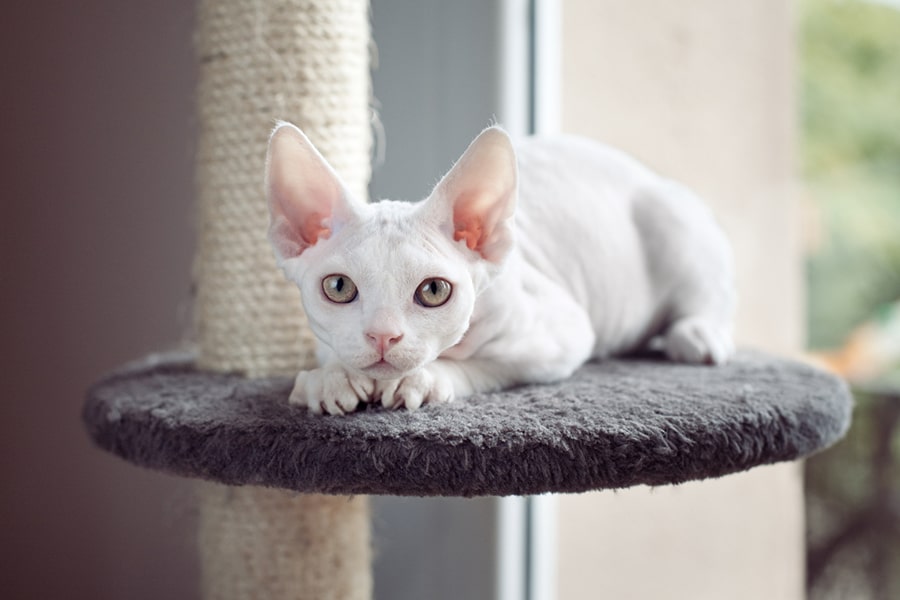
Devon Rex cats boast a look that’s part alien, part fairy-tale creature, with their large bat-like ears, wide eyes, and slender bodies setting them apart from fluffier felines. Weighing just 6-9 pounds, they’re small to medium-sized, but their presence fills a room. Their most famous feature—the soft, wavy coat—comes from a recessive gene, making each one a curly wonder.
The Signature Curly Coat and Colors
That coat feels like suede or velvet, with loose waves that can be short or slightly longer, in every color from solid black to tabby patterns. Unlike straight-haired cats, Devons shed minimally, though their fur can thin in spots. Pixie’s chocolate curls always drew compliments, but I learned to watch for oil buildup on her skin.
Body Structure: Ears, Eyes, and Build
Oversized ears perch on a wedge-shaped head, framing cheekbones that give an impish expression. Their long legs and whip-like tails support agile leaps, while almond-shaped eyes sparkle with curiosity. This build isn’t just cute—it’s functional for their energetic lifestyle.
Size and Weight Variations
Adults typically range from 6-9 pounds, with males slightly larger than females. Kittens start tiny but grow quickly, reaching full size by 12-18 months. If you’re petite-space living, their compact frame fits perfectly without overwhelming.
Personality and Temperament: Affectionate Clowns
Devon Rex cats are the extroverts of the cat world, craving human interaction and often following you room to room like a shadow. They’re intelligent and mischievous, turning everyday objects into toys with endless enthusiasm. In my experience, they’re less aloof than many breeds, making them ideal for families who want a pet that’s part friend, part entertainer.
Playful and Energetic Traits
These cats love games—fetch, puzzle toys, or just batting at strings—with energy that rivals a kitten even in adulthood. Pixie would “help” with laundry by diving into baskets, her antics always lightening the mood. They’re not lap cats exclusively but thrive on play that bonds them to you.
Social Behavior with Humans and Pets
Devons adore people, often greeting guests with headbutts and purrs, earning them “dog-like” comparisons. They get along with other pets if introduced properly, though their boldness might overwhelm shyer animals. Early socialization ensures harmony in multi-pet homes.
Intelligence and Trainability
Quick learners, they pick up tricks like high-fives or leash walking with positive reinforcement. Their curiosity drives exploration, so cat-proofing is key to avoid mishaps. I’ve trained mine to use scratching posts exclusively, saving my furniture from their clever paws.
Daily Care Essentials: Keeping Your Devon Happy
Caring for a Devon Rex involves balancing their high energy with simple routines that cater to their unique coat and social needs. They’re low-maintenance in grooming but demand attention to prevent boredom. From my fostering days, I’ve found consistency in feeding and play turns them into well-adjusted companions.
Feeding Your Devon Rex: Diet Tips
Opt for high-protein, grain-free kibble or wet food to fuel their metabolism—adults need about 200-300 calories daily, split into meals. Kittens eat more frequently, transitioning to adult portions around a year. Pixie loved puzzle feeders that slowed her down, preventing overeating and adding mental fun.
Grooming Routines for That Curly Coat
Weekly gentle brushing with a soft mitt removes loose hairs, but baths every few weeks manage oily skin—use mild cat shampoo. Trim nails monthly and clean ears to avoid buildup. Their minimal shedding makes them easier than longhairs, but regular care keeps that coat shining.
Exercise Needs: Keeping Them Active
Aim for 30-60 minutes of daily play with interactive toys or laser pointers to burn energy. They excel at climbing, so cat trees are must-haves. Without outlets, they might turn to mischief, like knocking over plants—structured fun keeps everyone sane.
Health and Wellness: What to Watch For
Devon Rex cats are generally robust, with a lifespan of 9-15 years, but like any breed, they face specific risks that proactive care can mitigate. Regular vet visits catch issues early, extending those joyful years. Pixie’s annual checkups spotted a minor heart murmur before it worsened, a reminder of breed vulnerabilities.
Common Health Issues in Devon Rex
Hypertrophic cardiomyopathy (HCM) affects the heart, while patellar luxation can cause knee slips—genetic testing helps. They may also deal with skin sensitivities or digestive woes from their fast metabolism. Obesity is rare but watch portions to avoid joint strain.
Preventive Care and Vet Visits
Vaccinate on schedule, spay/neuter early, and use flea preventives year-round. Dental cleanings prevent plaque, as their small mouths crowd teeth. A balanced diet supports immunity, reducing risks like urinary issues common in males.
Lifespan Expectations and Factors
With good genetics and care, many live 12-17 years; poor breeding shortens it. Exercise, diet, and stress-free environments boost longevity—Pixie hit 14, her vitality a testament to attentive ownership.
Training Your Devon Rex: Fun and Effective Methods
Devons’ smarts make training a breeze, responding best to rewards like treats or praise for desired behaviors. Start young to curb jumping or scratching habits. Their eagerness turns sessions into games, strengthening your bond without frustration.
Basic Commands and Tricks
Teach “sit” or “come” using clickers for precision—most learn in days. Leash training suits their adventurous side for safe outings. Positive vibes only; punishment confuses these sensitive souls.
Addressing Common Behavioral Challenges
If they’re too vocal or clingy, provide toys for independence. Litter box issues? Clean thoroughly and check for health causes. Consistency wins, as Devons hate routine changes but adapt with patience.
Devon Rex vs. Cornish Rex: Spotting the Differences
While both Rex breeds share curly coats from mutations, the Devon and Cornish differ in ways that suit various homes. I’ve met both at shows, noting how Devons feel softer and more pixie-like compared to the Cornish’s elegant waves.
Coat Texture and Grooming Needs
Devons have looser, suede-like curls needing occasional baths; Cornish boast tighter waves with less oil. Both shed little, but Devons might require more skin care. Choose based on your tolerance for grooming tweaks.
Body Shape and Energy Levels
Cornish are slimmer with egg-shaped heads and higher energy; Devons are stockier with wedge heads and playful bursts. Devons suit relaxed families, Cornish active ones—both affectionate but in distinct styles.
Comparison Table: Key Traits
Here’s a quick side-by-side to help decide.
| Trait | Devon Rex | Cornish Rex |
|---|---|---|
| Coat | Loose waves, oily | Tight curls, velvety |
| Head Shape | Wedge, large ears | Egg-shaped, Roman nose |
| Energy | High, playful | Very high, athletic |
| Size | 6-9 lbs | 6-10 lbs |
| Grooming | Baths bi-weekly | Minimal brushing |
| Temperament | Dog-like, cuddly | Independent, curious |
This highlights Devons’ cuddlier vibe versus Cornish agility.
Pros and Cons of Each Breed
Devon pros: Ultra-affectionate, great with kids; cons: Potential heart issues. Cornish pros: Hypoallergenic appeal, graceful; cons: More prone to cold. Both shine in warm, loving homes.
Adopting or Buying a Devon Rex: Where to Start
Finding a Devon Rex starts with reputable sources to ensure health and ethics. Rescues offer adults, while breeders provide kittens—always visit to see conditions. My rescue Devon was a gem, proving love trumps pedigree.
Best Places for Adoption
Check breed-specific rescues like Devon Rex Rescue or general shelters via Petfinder. Local cat clubs host adoption events. Adopting saves lives and often includes vetted, spayed pets ready for home.
Choosing a Reputable Breeder
Look for TICA or CFA registration, health guarantees, and parent testing for HCM. Ask about socialization—good breeders raise kittens indoors. Expect $800-$2000; avoid cheap deals signaling poor care.
Essential Supplies for New Owners
Stock up before arrival for a smooth transition.
- Soft bed for cozy naps
- Interactive toys like feather wands
- High-sided litter box for privacy
- Scratching post to save furniture
- Carrier for safe travels
These basics ease those first days.
People Also Ask: Common Queries Answered
Pulling from what cat lovers often search, here are real questions buzzing on Google.
Are Devon Rex Cats Hypoallergenic?
They’re low-shedding, producing less dander, but no cat is fully hypoallergenic—test with visits if allergic.
How Much Do Devon Rex Kittens Cost?
Prices range $800-$2500 from breeders, less for rescues—factor in vet costs too.
Do Devon Rex Cats Get Along with Dogs?
Yes, their social nature helps, but supervise intros for harmony.
What Is the Devon Rex Lifespan?
Typically 9-15 years, longer with excellent care and genetics.
Are Devon Rex Cats Good for Families?
Absolutely—their playful, affectionate ways charm kids and adults alike.
FAQ: Quick Answers to Top Questions
What makes the Devon Rex coat unique?
Its wavy, soft texture from a mutation sets it apart, feeling like lamb’s wool and shedding minimally.
How often should I bathe my Devon Rex?
Every 2-4 weeks to control oils, using gentle shampoo—more if skin feels greasy.
What health tests should breeders provide?
Screens for HCM, patellar luxation, and genetic diversity to ensure healthy kittens.
Can Devon Rex live in small apartments?
Yes, their size and indoor energy make them perfect, as long as playtime abounds.
What’s the best food for a Devon Rex?
High-protein formulas like Royal Canin or homemade vet-approved meals to match their metabolism.
In the end, owning a Devon Rex is like having a perpetual kitten—full of surprises, love, and laughter. Pixie’s memory still brings smiles, her curls and cuddles a daily delight. If this breed calls to you, dive in with open arms; they’re worth every moment. For more, explore CFA’s Devon Rex page or local rescues. Here’s to your own curly adventure!