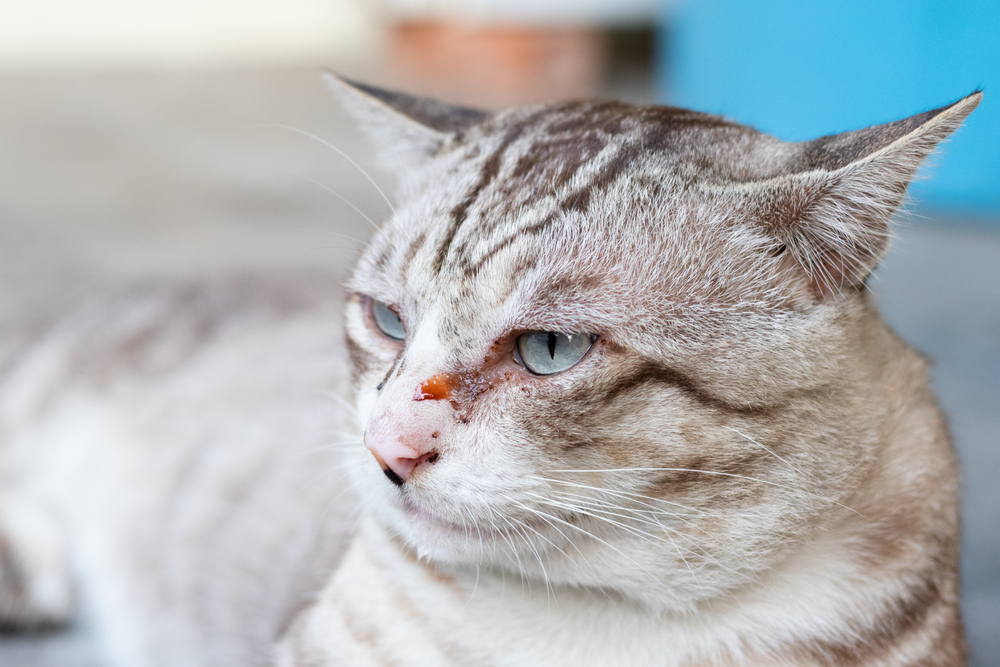
I’ve been a cat parent for over a decade, and let me tell you, those little crusty bits in the corners of their eyes used to freak me out at first. My tabby, Whiskers, would wake up with dark boogers every morning, looking like he’d been on an all-night adventure. Turns out, it’s often totally normal—like our own sleep crust—but sometimes it’s a red flag. If you’ve noticed your kitty sporting these eye gunk surprises, don’t panic yet. This guide breaks down what cat eye boogers really are, why they happen, and how to handle them, based on my experiences and solid vet advice I’ve gathered along the way.
What Are Cat Eye Boogers?
Cat eye boogers, or ocular discharge, are the buildup of tears, mucus, and debris that dries in the corners of your cat’s eyes. They’re the feline version of our morning eye crust, formed when natural tears flush out dust and irritants overnight. In healthy cats, they’re usually small, dark, and crusty—nothing to worry about.
Whiskers had these daily, and a quick wipe fixed it. But if they’re excessive or change in look, it could signal something more. Understanding the difference keeps your cat comfortable and healthy.
Normal vs. Abnormal Eye Discharge
Most cats get occasional clear or brownish crusts, especially after naps—perfectly fine if minimal and not bothering them. Flat-faced breeds like Persians often have more due to tear drainage issues. My friend’s Persian always looked teary, but it was just her build.
Abnormal discharge is thicker, colored (yellow/green), or paired with redness/swelling. That’s when I rushed Whiskers to the vet once—turned out to be mild irritation, but better safe. Watch for changes; they happen fast in eyes.
Signs of Normal Discharge
Small amounts of dry, dark crust in corners, especially mornings. Clears easily with wiping. No redness, squinting, or pawing.
Signs of Problematic Discharge
Excessive, watery, pus-like, or bloody. Accompanied by swelling, blinking a lot, or lethargy. One eye affected more than the other.
Common Causes of Cat Eye Boogers
Eye boogers stem from everyday tears drying up or deeper issues like infections. Whiskers got them more during pollen season—allergies! Knowing causes helps spot when it’s serious.
Many tie to upper respiratory infections, common in cats. Breed anatomy plays a role too.
Infections and Viruses
Feline herpesvirus or calicivirus often cause goopy eyes, especially with sneezing. Bacterial like chlamydia adds yellow discharge.
Allergies and Irritants
Dust, smoke, or pollen trigger watery eyes and crusts. Whiskers hated scented litter—switching helped.
Blocked Tear Ducts
Common in brachycephalic breeds; tears overflow instead of draining. Leads to constant staining.
Foreign Bodies or Injury
Dust or scratches irritate, causing temporary discharge. Serious if pus forms.
How to Safely Clean Your Cat’s Eyes
Cleaning is simple and prevents buildup. I do it gently with Whiskers—he actually leans in now. Use boiled cooled water or saline; never harsh stuff.
Start calm, maybe with treats. Wipe outward from the inner corner.
Step-by-Step Cleaning Guide
Dampen a cotton pad with warm boiled water or saline. Gently wipe from inner corner outward. Use fresh pad per eye.
Best Cleaning Tools
Pet-safe wipes or rinses like Nutri-Vet Eye Rinse. Soft cotton balls work too.
When to See a Vet
Don’t wait if discharge changes color, increases, or your cat seems uncomfortable. Eyes worsen quickly—Whiskers had a flare-up once; vet drops fixed it fast.
Red flags: Green/yellow pus, swelling, squinting, or lethargy. Early visits prevent bigger issues.
Home Remedies vs. Professional Care
Mild cases: Gentle cleaning helps. Infections need vet-prescribed drops or antibiotics.
Preventive Measures
Keep home dust-free, vaccinate against viruses. Regular check-ups catch early signs.
Pros and Cons of Common Cleaning Methods
Choosing the right way keeps things easy and effective.
Pros
- Gentle wiping: Quick, no cost, bonds with cat.
- Saline rinses: Soothes irritation, safe daily.
- Pet wipes: Convenient for on-the-go.
Cons
- Over-cleaning: Can irritate eyes.
- Home solutions like tea: Risky, not sterile.
- Ignoring buildup: Leads to stains or infection.
Normal Discharge vs. Infection: A Comparison
Spotting the difference saves worry and vet trips.
| Type | Appearance | Common Causes | Action Needed |
|---|---|---|---|
| Normal | Small, dry, brownish crust | Sleep, mild irritants | Gentle wipe |
| Mild Irritation | Watery, clear excess | Allergies, dust | Clean, monitor |
| Infection | Yellow/green, thick, pus-like | Viruses, bacteria | Vet visit urgently |
| Blocked Ducts | Constant tearing, staining | Breed anatomy | Ongoing care, vet check |
Clear and minimal? Relax. Colored and sticky? Act fast.
People Also Ask: Common Questions About Cat Eye Discharge
Real searches reveal what owners wonder most.
Is cat eye discharge normal?
Yes, small amounts of crusty boogers are—especially mornings.
Why does my cat have eye boogers?
From normal tears drying or irritants; sometimes infections.
When should I worry about cat eye discharge?
If colored, excessive, or with redness/squinting.
How do I clean my cat’s eye boogers?
Gently with damp cotton pad or saline.
Can cat eye infections spread?
Some viral ones yes; clean hands after handling.
Where to Get Help for Cat Eye Issues
Start with your vet for exams or drops.
Finding a Vet
Search local clinics or use ASPCA resources. ASPCA Find a Vet
Emergency Options
For severe cases, 24/7 animal hospitals.
Best Tools and Products for Cat Eye Care
Quality makes cleaning easier.
Recommended Cleaners
Nutri-Vet Eye Rinse or Eye Envy solutions for stains.
Wipes and Pads
Hypoallergenic pet eye wipes—gentle and effective.
Preventive Supplements
Lysine for herpes-prone cats, per vet advice.
FAQ
Quick answers to top concerns.
Are cat eye boogers contagious to humans?
Rarely, but wash hands—some infections zoonotic.
How often should I clean my cat’s eyes?
Daily if prone; otherwise as needed.
What color eye discharge is bad in cats?
Yellow, green, or bloody—sign of infection.
Can allergies cause cat eye boogers?
Yes, watery discharge common with allergens.
Do flat-faced cats always have eye issues?
Many do, due to drainage—regular care helps.
Wrapping up, cat eye boogers are usually harmless little quirks, like Whiskers’ daily crusts that remind me he’s been dreaming hard. But staying vigilant means catching real problems early, keeping those beautiful eyes bright and your bond strong. Gentle care goes a long way—if in doubt, trust your vet. Your kitty will thank you with extra purrs.